
By Staff Reporter
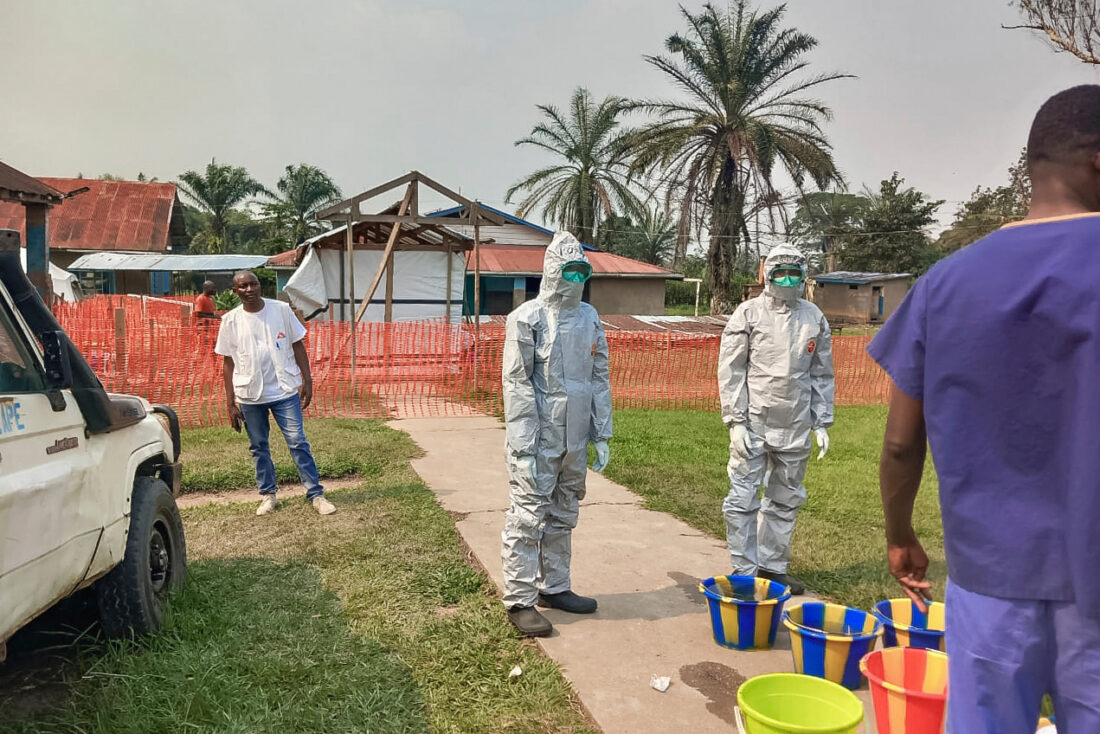
A new Ebola outbreak in eastern Democratic Republic of the Congo has sparked international concern after spreading across a conflict-affected region where insecurity and displacement have slowed detection and response efforts.
Health authorities report nearly 250 suspected cases and about 80 deaths so far, with neighbouring Uganda confirming linked infections. The outbreak is being driven by the rare Bundibugyo strain of Ebola, a form of the virus first identified in 2007 that has appeared only a few times in recorded history.
The World Health Organization (World Health Organization) has declared a public health emergency of international concern, warning that the situation could escalate if containment measures are not strengthened urgently.
Ebola (Ebola virus disease) is a severe illness transmitted through direct contact with infected bodily fluids such as blood, vomit, or sweat. Unlike respiratory viruses, it does not spread easily through the air, which makes outbreaks more controllable when detected early.
However, experts say this outbreak is particularly worrying for several reasons: the Bundibugyo strain is rare, there are no approved vaccines or targeted treatments for it, and early transmission is believed to have gone undetected for weeks. The affected region is also facing ongoing armed conflict, complicating surveillance and healthcare access.
The Bundibugyo strain was first discovered in Uganda in 2007 and has only been recorded in a handful of outbreaks since then, including a small cluster in the Democratic Republic of the Congo in 2012. Previous outbreaks suggest a fatality rate of around 30%, though outcomes depend heavily on access to supportive medical care.
WHO officials warn that reported case numbers may underestimate the true scale due to gaps in surveillance and population movement across borders. Uganda has already introduced screening measures and localized restrictions in affected districts to slow transmission.
Despite the growing concern, global health experts say the risk of a worldwide pandemic remains low. Ebola outbreaks are typically contained through rapid isolation of patients, contact tracing, and strict infection control measures in healthcare settings.
At present, treatment remains supportive, focusing on hydration, symptom management, and prevention of complications. Early medical care significantly improves survival chances.
The coming weeks are expected to be critical in determining whether the outbreak can be contained or whether it spreads further across the region.