
By Staff Reporter
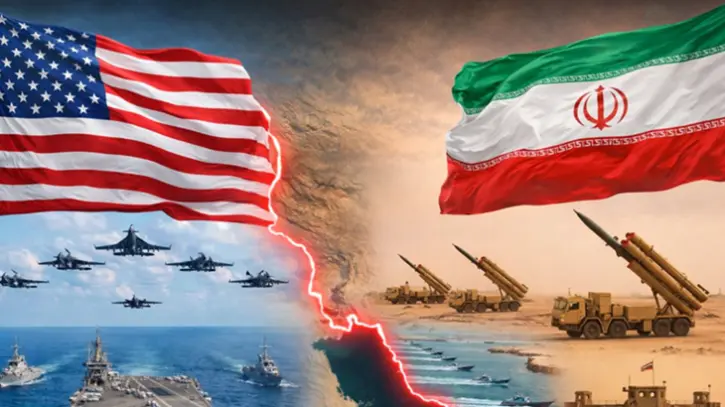
A reported 14-point proposal between the United States and Iran has emerged as a possible pathway toward ending the escalating Gulf conflict and restarting negotiations over Tehran’s nuclear programme and regional security tensions.
Although the full document has not been officially released, multiple international reports indicate that Washington and Tehran are discussing a short memorandum of understanding (MOU) that could pave the way for a broader diplomatic agreement.
Key proposals reportedly on the table
Among the major issues under discussion is an immediate ceasefire involving the US, Iran, and regional operations linked to Israel.
Negotiators are also reportedly seeking the reopening of the Strait of Hormuz, which Iran partially restricted during the recent tensions. The strategic waterway handles nearly 20 percent of global oil shipments, making its restoration critical to global energy markets.
Another central issue is Iran’s uranium enrichment programme. Reports suggest the United States initially proposed a 20-year freeze on enrichment activities, while Iran pushed for a five-year limit. Current discussions are said to be centred around a possible 15-year compromise.
The draft framework may also include the removal of highly enriched uranium from Iran — a move viewed as one of Tehran’s most significant potential concessions.
In exchange, Iran could receive sanctions relief and access to frozen financial assets, alongside the easing of maritime restrictions.
Sources further indicate that both sides are considering a 30-day negotiation period aimed at transforming a temporary ceasefire into a long-term agreement.
Major disagreements remain
Despite signs of diplomatic movement, several critical issues remain unresolved.
These include Iran’s ballistic missile programme, Tehran’s support for regional armed groups such as Hezbollah and the Houthis, and whether Iran would be allowed to maintain any civilian uranium enrichment capability.
Long-term monitoring and verification mechanisms also remain under discussion.
Diplomatic breakthrough or temporary pause?
Analysts say the current talks represent the closest the US and Iran have come to a diplomatic breakthrough since the latest regional conflict erupted.
Global markets reacted positively to the reports, with oil prices falling amid expectations that shipping through the Strait of Hormuz could soon normalize.
According to reports, the proposed one-page MOU is being negotiated by US envoys Steve Witkoff and Jared Kushner alongside Iranian officials, both directly and through intermediaries.
The agreement would reportedly declare an official end to the regional conflict, followed by a month-long negotiation process that could take place in Islamabad or Geneva.
During that period, Iran’s restrictions on shipping and the US naval blockade would gradually be lifted.
Hardliners threaten progress
However, skepticism remains high on all sides.
Hardliners in both Iran and Israel are reportedly opposed to major concessions, while US officials — including President Donald Trump — have warned that military options could quickly return if negotiations collapse.
Officials also indicated that if talks fail, Washington could reinstate naval restrictions or resume military operations in the region.