
By Desmond Nleya
Bathrooms are among the most routine spaces in our daily lives, yet emerging discussions around health suggest they may also present hidden risks, particularly concerning Stroke. While bathing is essential for hygiene and comfort, the way it is done can have implications for blood circulation and overall safety, especially for vulnerable individuals.
Recent observations and referenced medical discussions, including those linked to the Journal of the Medical Association of Canada, suggest that certain bathing habits may contribute to an increased likelihood of stroke-related incidents. One commonly cited concern is the practice of pouring water over the head at the very start of a bath.
The Science Behind the Risk
When a person begins bathing by soaking the head first, the body may experience a rapid shift in blood circulation. Blood tends to rush quickly the head, potentially placing sudden pressure on delicate blood vessels. In individuals with underlying conditions such as high blood pressure, this abrupt change may increase the risk of vascular strain or rupture, which can lead to a stroke.
The human body naturally regulates temperature and circulation, but it requires time to adjust to external temperature changes. Sudden exposure, particularly on the head, may disrupt this balance. Medical perspectives suggest that this shock to the system can accelerate blood flow in a way that may not be safe for everyone.
Who Is Most at Risk?
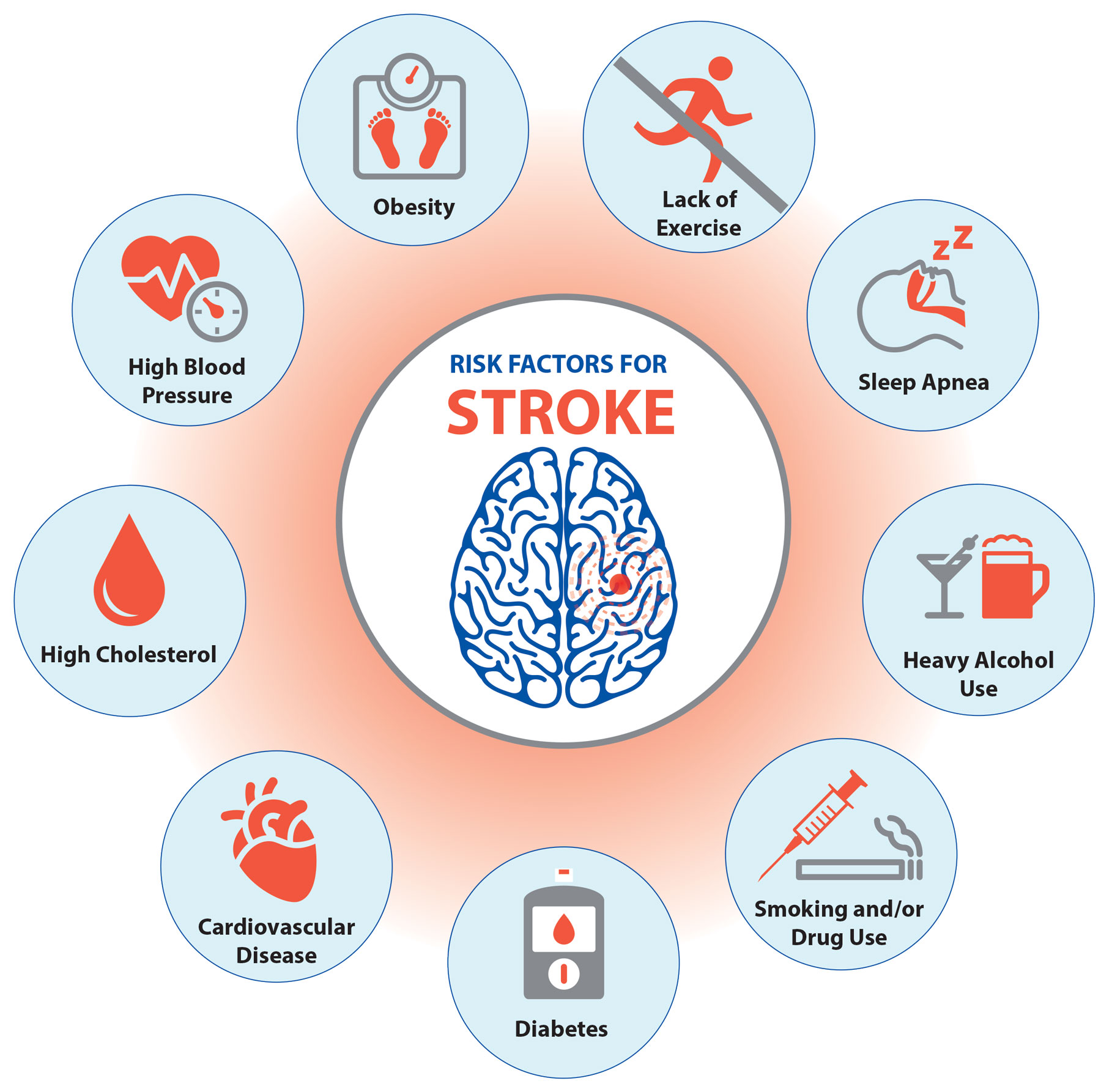
While the general population should be mindful, certain groups are more vulnerable. Individuals with hypertension, high cholesterol, or a history of migraines may face elevated risks. Elderly people are also particularly susceptible, as their circulatory systems may not adapt as quickly to sudden changes.
Reports indicate that cases of stroke occurring during bathing, though not universally common, are a growing concern in medical discussions worldwide. In some cases, these incidents have led to severe outcomes such as paralysis or death.
A Safer Way to Bathe
Health experts recommend a more gradual approach to bathing. Instead of starting with the head, individuals should begin by washing their feet. From there, water can be applied slowly upwards, allowing the body time to adjust to the temperature. The head should be washed last, once the body has acclimated.
This simple adjustment can help maintain stable blood circulation and reduce unnecessary strain on blood vessels.
A Message Worth Sharing
Awareness is a powerful tool in preventing health emergencies. Families are encouraged to share this information, particularly with elderly relatives and those with pre-existing health conditions. Small changes in daily routines can make a meaningful difference in preventing serious medical events.
As research continues to evolve, one thing remains clear: even the most ordinary habits deserve careful attention when it comes to health and safety.