
By Desmond Nleya, Daily Times
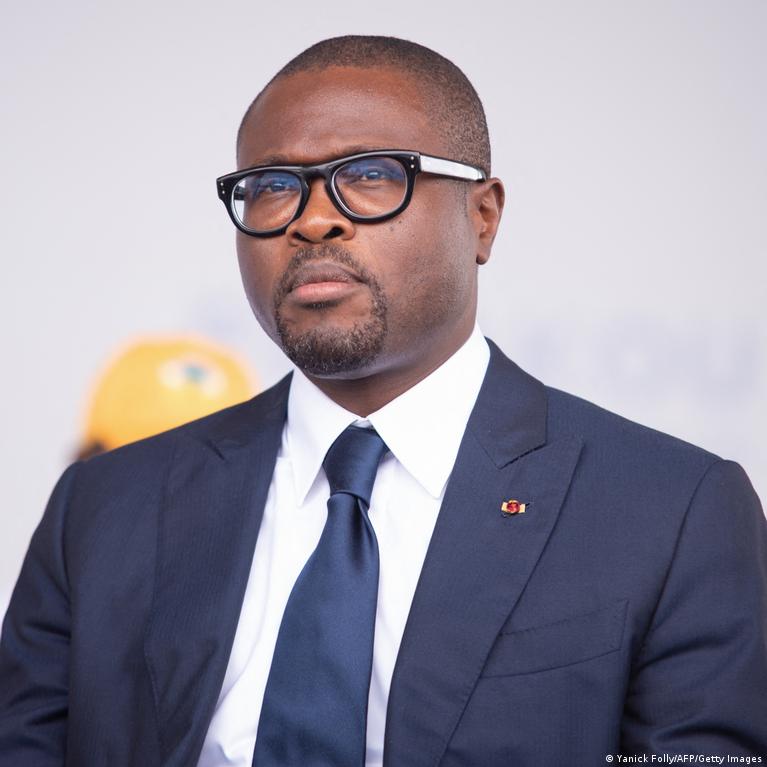
In a significant political moment for Benin, presidential frontrunner Romuald Wadagni appears poised to assume the nation’s highest office after his main challenger, Paul Hounkpe, conceded defeat even before official results were released.
Hounkpe extended what he described as “republican congratulations,” emphasizing the importance of democratic values and unity. His early concession reflects the strong lead Wadagni established during the vote count, following a campaign widely bolstered by the endorsement of outgoing president Patrice Talon.
Although final results from the electoral commission are expected soon, early indications point to a decisive outcome. The election itself was largely calm and orderly, according to observers, including the Economic Community of West African States (ECOWAS), which praised the peaceful atmosphere across polling stations.
However, the vote revealed a degree of public disengagement, particularly in urban centers like Cotonou and Porto-Novo, where turnout was notably low. Many citizens expressed skepticism about whether political change would translate into improved living conditions.
Wadagni’s anticipated presidency signals continuity with the Talon administration, which has overseen steady economic growth, infrastructure development, and a revival of tourism. Yet, the path ahead remains complex. More than 30 percent of the population continues to live in poverty, and inequality remains a pressing concern.
Security also looms large. Northern regions of the country face increasing threats from extremist groups linked to Group for the Support of Islam and Muslims, testing the resilience of Benin’s stability.
Adding to the evolving political landscape, recent constitutional reforms have extended presidential terms from five to seven years and aligned future elections to take place in 2033.
As the nation awaits official confirmation, attention is already shifting from the ballot to governance, with many citizens hoping that the next administration will translate economic progress into tangible improvements in daily life.
Source: AFP