
By Staff Reporter
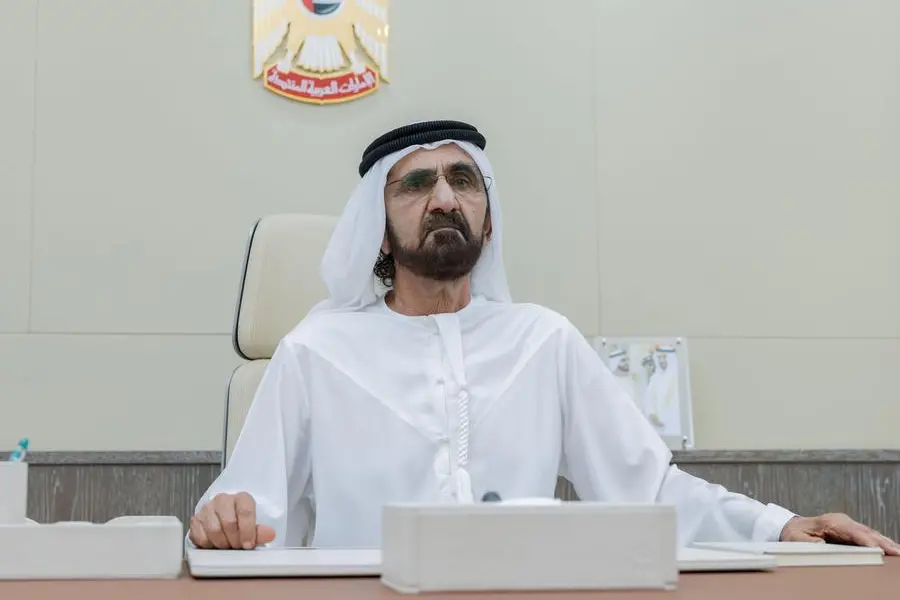
The United Arab Emirates has unveiled a far-reaching national programme aimed at strengthening the resilience of its supply chains, following approval by His Highness Sheikh Mohammed bin Rashid Al Maktoum, Vice President, Prime Minister, and Ruler of Dubai.
The initiative is designed to protect the country’s steady access to essential goods, including food, medical supplies, and industrial products, amid rising global uncertainties. It reflects a strategic push to reinforce economic security while preserving the UAE’s position as a competitive global hub.
At the heart of the programme is a comprehensive approach that focuses on diversifying import sources, expanding local manufacturing and agricultural production, and deepening partnerships with the private sector. It also seeks to strengthen international cooperation to ensure continuous access to critical commodities.
A central component involves identifying high-risk goods that are heavily dependent on imports, mapping alternative supply routes, and building partnerships that guarantee reliability. The plan also explores scaling domestic production capabilities and unlocking investment opportunities in sectors vital to long-term supply stability.
In addition, the programme evaluates various risk scenarios linked to global supply disruptions and assesses the feasibility of producing key goods within the UAE. It also aims to expand investment ties with countries already engaged in the production of essential commodities.
Officials describe the initiative as a proactive framework that enhances the nation’s ability to respond to regional and global shocks. By reducing reliance on single-source imports, the UAE is positioning itself to maintain stability and ensure the uninterrupted availability of critical goods.
The move aligns with the country’s broader vision of building a more self-reliant and sustainable economy, capable of withstanding future global challenges without compromising national needs.