
By Staff Reporter
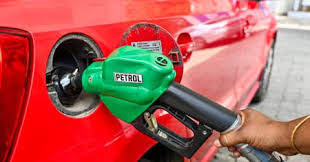
Dubai – UAE motorists will pay more for petrol in June, marking the fourth consecutive monthly increase in fuel prices. However, despite the latest hike, fuel costs in the Emirates remain lower than those in many countries around the world.
The June fuel price revision saw Super 98, Special 95, and E-Plus 91 petrol grades increase by nearly 8%, while diesel prices fell by 7.7%. Although motorists are feeling the impact of higher fuel costs, the latest increase is significantly smaller than the sharp jumps recorded in April and May.
New UAE Fuel Prices for June
- Super 98: Dh3.95 per litre
- Special 95: Dh3.84 per litre
- E-Plus 91: Dh3.76 per litre
- Diesel: Dh3.87 per litre
The increase comes even as global crude oil prices have eased from recent highs. Brent crude, which surged above $110 per barrel earlier this year amid concerns over regional shipping disruptions, has recently fallen to around $90–$95 per barrel. The decline has been supported by optimism surrounding US-Iran negotiations and expectations of improved stability in regional shipping routes.
Higher Costs for Motorists
Compared to February, UAE drivers are paying substantially more to fill their vehicles.
A motorist driving a sedan with a 60-litre fuel tank would have spent approximately Dh147 in February. The same tank now costs around Dh237 to fill with Super 98 petrol, an increase of Dh90.
For SUV owners with 80-litre tanks, fuel costs have risen from roughly Dh196 in February to Dh316 in June, adding about Dh120 per fill-up.
Compared to May alone, motorists are paying approximately Dh17 more for a 60-litre tank and about Dh23 more for an 80-litre vehicle.
Why Fuel Prices Are Still High
The primary driver behind recent fuel increases has been volatility in global oil markets. Earlier this year, concerns over potential disruptions in the Strait of Hormuz pushed oil prices sharply higher as traders feared supply shortages.
While those fears have eased and oil prices have retreated, fuel prices in the UAE are calculated based on average oil prices from the previous month. As a result, the elevated crude prices seen during much of May continue to influence June’s rates.
Additionally, the Strait of Hormuz remains one of the world’s most critical energy corridors, handling nearly 20% of global oil shipments. Any changes in regional security continue to affect market sentiment and fuel pricing.
UAE Still Cheaper Than Many Countries
Despite the latest increase, UAE fuel prices remain competitive by international standards.
According to industry data, the global average petrol price is approximately Dh5.70 per litre. Drivers in many European countries continue to pay significantly higher prices due to fuel taxes and VAT, while motorists in South Africa, the Philippines, Bangladesh, and parts of the United States are also facing elevated fuel costs.
The UAE’s fuel pricing system is directly linked to international oil markets, allowing prices to rise and fall in line with global trends rather than being heavily subsidised.
Could Prices Fall Next Month?
Analysts believe June could represent a turning point. If Brent crude remains near the $90-per-barrel mark and avoids another surge above $100, UAE motorists could begin seeing relief in the coming months.
While fuel prices remain considerably higher than at the start of 2026, the slowdown in crude oil prices suggests that the sharp increases experienced in April and May may be easing, potentially paving the way for more stable fuel costs ahead.