
By Staff Reporter
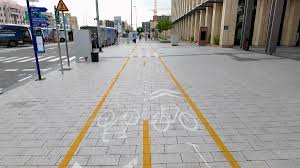
The new tracks form part of a broader master plan covering 15 routes, linking key areas including Al Khawaneej to Al Mamzar Beach, Al Warqa’a to Saih Al Salam, and DIFC to Jumeirah. The network is designed to connect residential neighbourhoods with major destinations and public transport hubs, supporting first and last mile travel.
Construction is also progressing on several major pedestrian and cycling bridges across Sheikh Mohammed bin Zayed Road, Dubai Al Ain Road, Sheikh Zayed Road, and Al Khail Road. These links will enhance connectivity between districts such as Al Sufouh, Jumeirah, Dubai Hills, and Hessa Street. All projects are scheduled for completion in the second quarter of 2026.
The initiative aligns with Dubai’s long-term goal to expand its cycling network to 1,000 km by 2030. The emirate has already increased total track length from 560 km in 2024 to 636 km in 2025.
Dubai’s efforts have earned global recognition, securing a place in the 2025 Copenhagenize Index as one of the world’s top 100 cycling-friendly cities, the first in the Middle East to achieve this ranking.
According to RTA Director General Mattar Al Tayer, the expansion reflects leadership directives to improve road safety and promote sustainable transport. Cycling trips rose by 23.5 percent to 57.3 million in 2025, while infrastructure access now reaches over 22 percent of the population, with user satisfaction at 85 percent.
Additional works include neighbourhood tracks, soft mobility upgrades near transit stations, and dedicated lanes for bicycles and e-scooters across key districts.
News Source: Emirates News Agency