
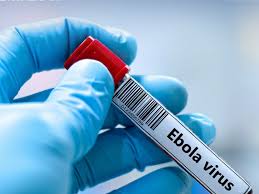
The Ministry of Health and Prevention has issued a public advisory and health guidelines after the World Health Organization classified the Ebola outbreak in Central Africa as a Public Health Emergency of International Concern.
Authorities confirmed that the public health situation in the UAE remains stable, while urging residents to rely only on verified information and avoid global misinformation.
Citizens have also been advised to avoid non-essential travel to Uganda, the Democratic Republic of the Congo and South Sudan amid ongoing Ebola-related developments. Travellers are urged to check official guidance and take precautionary measures before visiting affected regions.
Health authorities highlighted that awareness and accurate information remain key as global attention focuses on the outbreak, with residents encouraged to stay informed through official sources.
Here’s what you should know
The World Health Organization (WHO) has classified the ongoing Ebola outbreak involving the Bundibugyo strain in Central Africa as a Public Health Emergency of International Concern (PHEIC) — only the ninth such declaration since the system was introduced in 2005.
The outbreak is centred in parts of the Democratic Republic of the Congo (DRC), with imported cases also reported in Uganda.
What is the Bundibugyo strain?
The current outbreak involves the Bundibugyo strain of Ebola, a rare variant first identified in Uganda in 2007.
Health authorities are closely monitoring the situation as efforts continue to contain transmission and prevent further spread across the region.
How Ebola spreads
Ebola spreads through direct contact with the bodily fluids of an infected person or contaminated materials.
Importantly, the virus does not spread through the air like COVID-19 or influenza.
People infected with Ebola are generally not contagious before symptoms appear, reducing the risk of transmission from asymptomatic individuals.
Early symptoms can resemble a flu-like illness and may include:
- Fever
- Headache
- Fatigue
- Muscle pain
- Weakness
- Vomiting
Symptoms can appear between two and 21 days after exposure to the virus.
UAE reviews preparedness measures
The UAE has assessed the latest regional and international Ebola developments as part of ongoing efforts to safeguard public health and strengthen national preparedness systems.
The review took place during a coordination meeting chaired by His Excellency Ahmed Ali Al Sayegh, Minister of Health and Prevention, in cooperation with the National Emergency Crisis and Disaster Management Authority (NCEMA), and attended by relevant federal and local entities.
Enhanced surveillance and readiness
Officials said the UAE has strengthened:
- Disease surveillance systems
- Early detection measures
- Airport and border-entry preparedness
- Healthcare and laboratory readiness
- Coordination among relevant national entities
Authorities stressed that preparedness plans remain in place to address any potential health risks.
UAE travel advisory remains in effect
The Ministry of Foreign Affairs has advised Emirati citizens to avoid non-essential travel to:
- Democratic Republic of the Congo
- Uganda
- South Sudan
Travellers are encouraged to review the latest official guidance before planning travel to affected countries.
Summer travel precautions
As international travel increases during the summer season, health authorities are urging travellers to:
- Follow official health guidance
- Maintain good hygiene practices
- Monitor their health after travel
- Review the latest travel advisories before departure
Global risk remains low
While international health authorities are treating the outbreak seriously, the WHO has said the overall global public health risk remains low.
UAE authorities said they will continue to monitor developments closely and maintain a high level of readiness, emphasising that awareness, preparedness and responsible precautions remain essential to protecting public health in an increasingly connected world.