
By Staff Reporter
Israeli military operations in Lebanon are intensifying at a critical moment, threatening to derail delicate ceasefire discussions between the United States and Iran scheduled to take place in Pakistan.
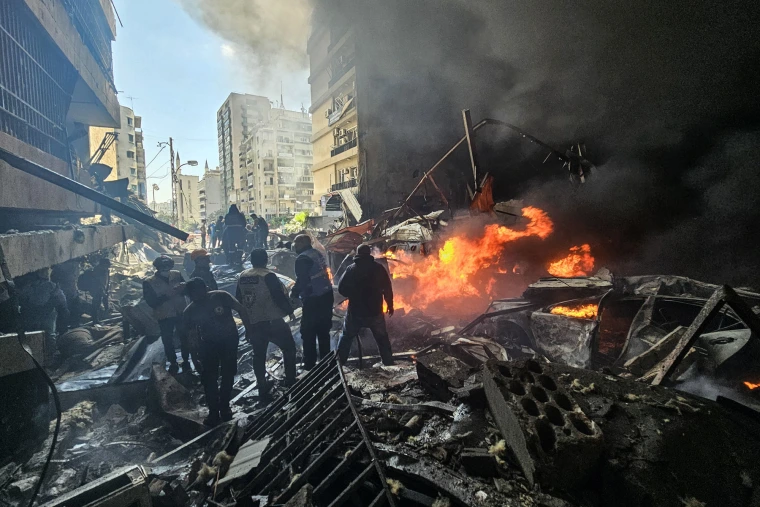
According to emerging reports, more than 300 people were killed and at least 1,150 injured in a single day of widespread airstrikes across Lebanon. The scale of the bombardment has placed immense pressure on the country’s already strained healthcare system, with hospitals in Beirut struggling to cope with the influx of casualties.
Global health officials have raised alarm over the situation. The head of the World Health Organization has urged Israel to reconsider evacuation orders affecting two major hospitals in Beirut, warning that such actions could further cripple emergency medical response efforts.
Meanwhile, tensions between Washington and Tehran continue to simmer. Iran’s Foreign Minister has sharply criticized the United States, suggesting that continued support for Israel’s military campaign could undermine diplomatic progress. He warned that allowing the conflict to escalate risks “killing diplomacy” at a time when negotiations are most needed.
On the Israeli side, leadership signals remain firm. Prime Minister Benjamin Netanyahu has indicated that steps are being taken toward direct negotiations with Lebanon, even as defense officials insist that military operations will continue unabated.
As diplomatic efforts inch forward, the ongoing violence in Lebanon now poses a serious challenge to broader regional stability, raising fears that the fragile US–Iran ceasefire initiative could unravel before meaningful progress is achieved.