
By Desmond Nleya
The first casuality of war is truth, and the ongoing conflict is a clear example of this.
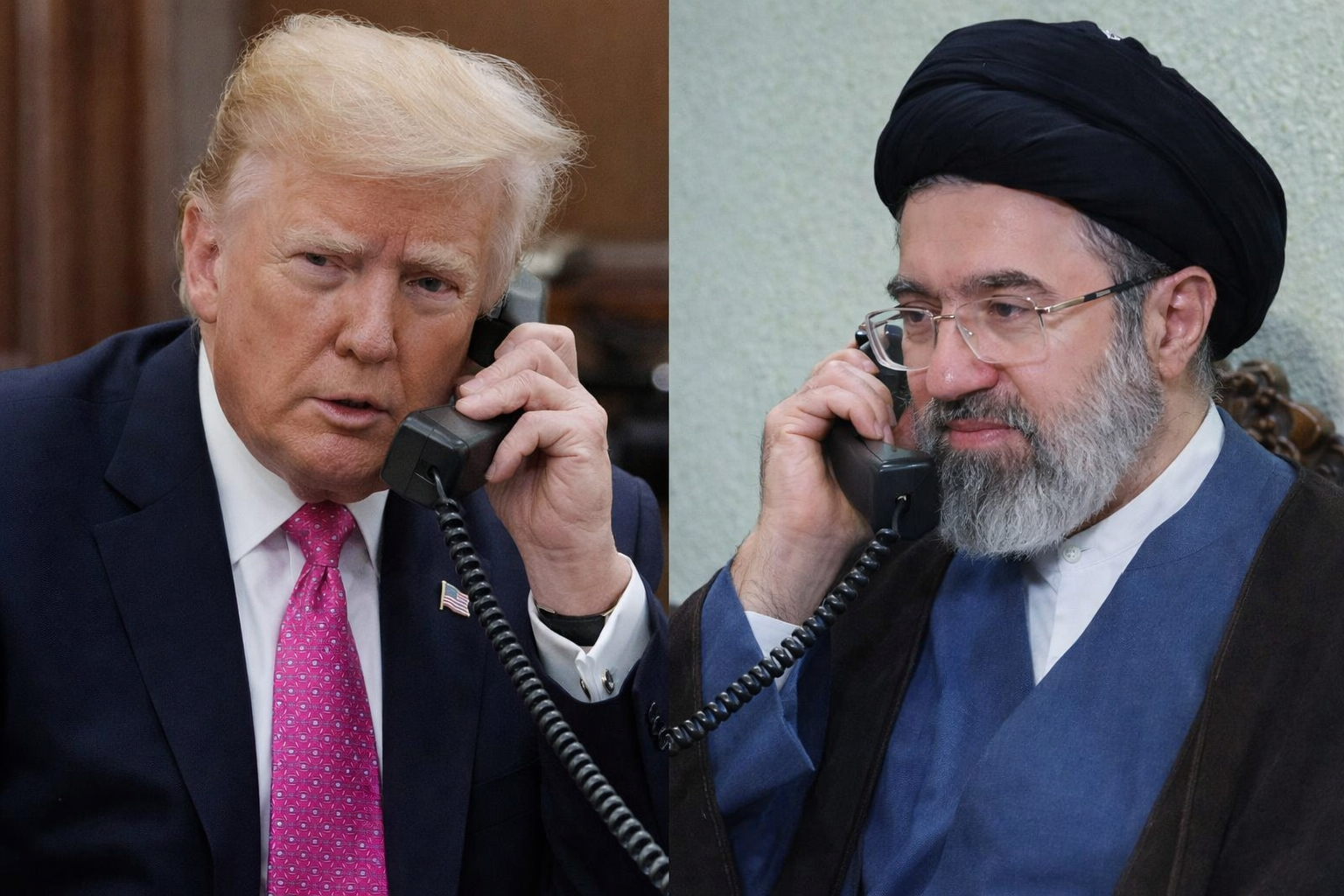
What Donald Trump says and what Iranian officials insist upon may both contain elements of reality, but neither is likely to reflect the full picture.
Trump insist that they were negotiating with Iran, however the latter says no such talk are ongoing. So who is saying the truth and to what benefit?
From Washington’s perspective, Trump’s claim that “productive” talks are underway serves several purposes. First, it calms markets. The mere suggestion of diplomacy can ease volatility in oil prices and reassure investors unnerved by a widening conflict in the Gulf. Second, it buys time. Talk of negotiations can create political and military breathing room, whether for repositioning troops or reassessing strategy. Third, it reshapes domestic perception. Presenting himself as a dealmaker rather than an escalator fits Trump’s long-standing political identity, especially with elections approaching.
But that does not necessarily mean the talks are entirely fabricated. In modern geopolitics, negotiations are often indirect, secretive, and deliberately deniable. Backchannel communications through intermediaries such as Oman, Qatar, or European states are common practice. It is entirely plausible that some form of contact exists that does not meet Iran’s definition of “negotiations,” yet is still real enough for the US to reference.
On the Iranian side, the denial is just as strategic. By rejecting the idea of talks, Tehran maintains pressure on both the United States and global markets. Rising oil prices and economic uncertainty are tools of leverage, especially when conflict threatens critical routes like the Strait of Hormuz. Acknowledging negotiations too early could reduce that pressure and signal weakness, particularly to domestic hardliners who currently favor a more aggressive posture.
There is also an internal dimension within Iran. Power is not monolithic. While officials publicly deny talks, factions within the state may quietly explore options. In such systems, what is said outwardly does not always reflect what is happening behind closed doors.
So who is telling the truth?
The most realistic answer is: both are telling partial truths shaped by strategic needs.
Trump may be overstating the level and progress of engagement, framing tentative or indirect contacts as “major” negotiations. Iran, on the other hand, may be understating or outright denying those same contacts to preserve leverage and project defiance.
This is a classic wartime information battle. Words become tools, not just descriptions of reality but instruments used to influence markets, allies, enemies, and domestic audiences.
What makes the situation particularly volatile is that both narratives serve short-term interests while potentially obscuring long-term risks. If talks are exaggerated, false optimism could delay serious diplomatic efforts. If talks are denied, opportunities for de-escalation might be politically harder to pursue when they become necessary.
In the end, the truth likely exists in the shadows between official statements: quiet signals, indirect messages, and cautious probing rather than formal negotiations. The danger is that while both sides manage perception, the war itself continues to shape realities that no narrative can fully control.
With Inputs from Aljazeera