
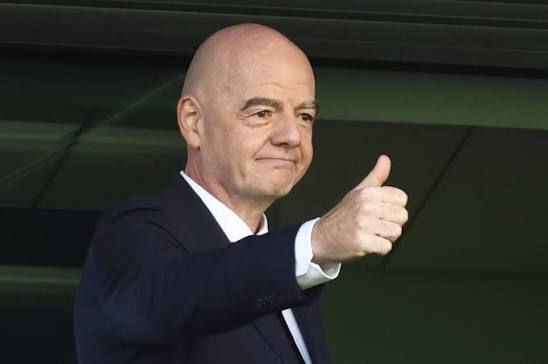
FIFA president proposes independent review and consultations with member associations over the organisation’s decision-making process
By Reuters
GENEVA — FIFA president Gianni Infantino has proposed an independent review of the organisation’s governance framework and consultations with member associations as pressure mounts over the way major decisions are made by world football’s governing body.
In a letter sent on Monday to the FIFA Council and presidents of all 211 member associations, Infantino said he would ask the Council to consider commissioning an independent external review of FIFA’s procedures for handling major strategic initiatives.
The review would examine how key decisions are made and the respective roles of the FIFA president, bureau, Council and Congress.
Infantino also proposed consultations with the confederations, member associations and other stakeholders on possible improvements to transparency, accountability and decision-making.
The move follows strong criticism of a proposal to sell a 20 percent stake in FIFA’s commercial rights, including rights linked to the World Cup, to private investors.
The plan was abandoned in July following opposition and boycott threats. UEFA, the Asian Football Confederation and Concacaf subsequently called for changes to FIFA’s leadership and governance.
Infantino defended the original proposal, saying it was intended to explore whether a minority stake in a FIFA-controlled commercial company could generate additional funds for football development.
He said the plan would not have transferred control of sporting decisions and stressed that it had never been formally approved.
Infantino acknowledged that the proposal becoming public before being presented in full to the FIFA Council and member associations had created concerns that a decision had already been made.
He said the proposal had since been withdrawn and would not proceed.
The FIFA president said there were differing views on how major strategic decisions should be approved. Some stakeholders have suggested requiring unanimous agreement within the bureau, while others have proposed giving such matters directly to the FIFA Congress and member associations.
Infantino said he would not prejudge the debate and that supporters of different governance models should be given an opportunity to present their positions.
Proposals submitted ahead of the FIFA Council meeting on October 15 could be considered at that meeting, while later submissions may also be reviewed under a deadline to be announced.
Any changes to FIFA’s statutes would ultimately require approval by the FIFA Congress.
Infantino also sought to reassure member associations that their positions on governance proposals would not affect their relationship with FIFA or access to development and solidarity programmes.
“No association’s treatment will depend on its position on any proposal or institutional matter,” he said.
Infantino added that he remained committed to leading FIFA and to working with its members on the organisation’s future governance.