
By Desmond Nleya
As world leaders meet in New York City for the second International Migration Review Forum (IMRF), an important question is being asked: Is the Global Compact for Migration making migration safer and more humane?
The answer is yes — but serious challenges remain.
The Global Compact for Safe, Orderly and Regular Migration, adopted in 2018, was the first international agreement focused on improving cooperation between countries on migration issues. Its goal is to make migration safer, more organised and more respectful of human rights.
According to the International Organization for Migration (IOM), progress has been made in some areas. However, migration routes are changing, and many journeys are becoming even more dangerous.
In 2025, more than 66,500 migrants arrived in Italy and Malta through the Central Mediterranean route, nearly the same number as the previous year. Arrivals to Greece, Cyprus and Bulgaria through the Eastern Mediterranean route dropped by around 30 percent, while the route to Spain and the Canary Islands also recorded changes.
At first glance, these numbers may suggest that pressure on Europe’s borders is easing. But lower arrival figures do not necessarily mean safer migration.
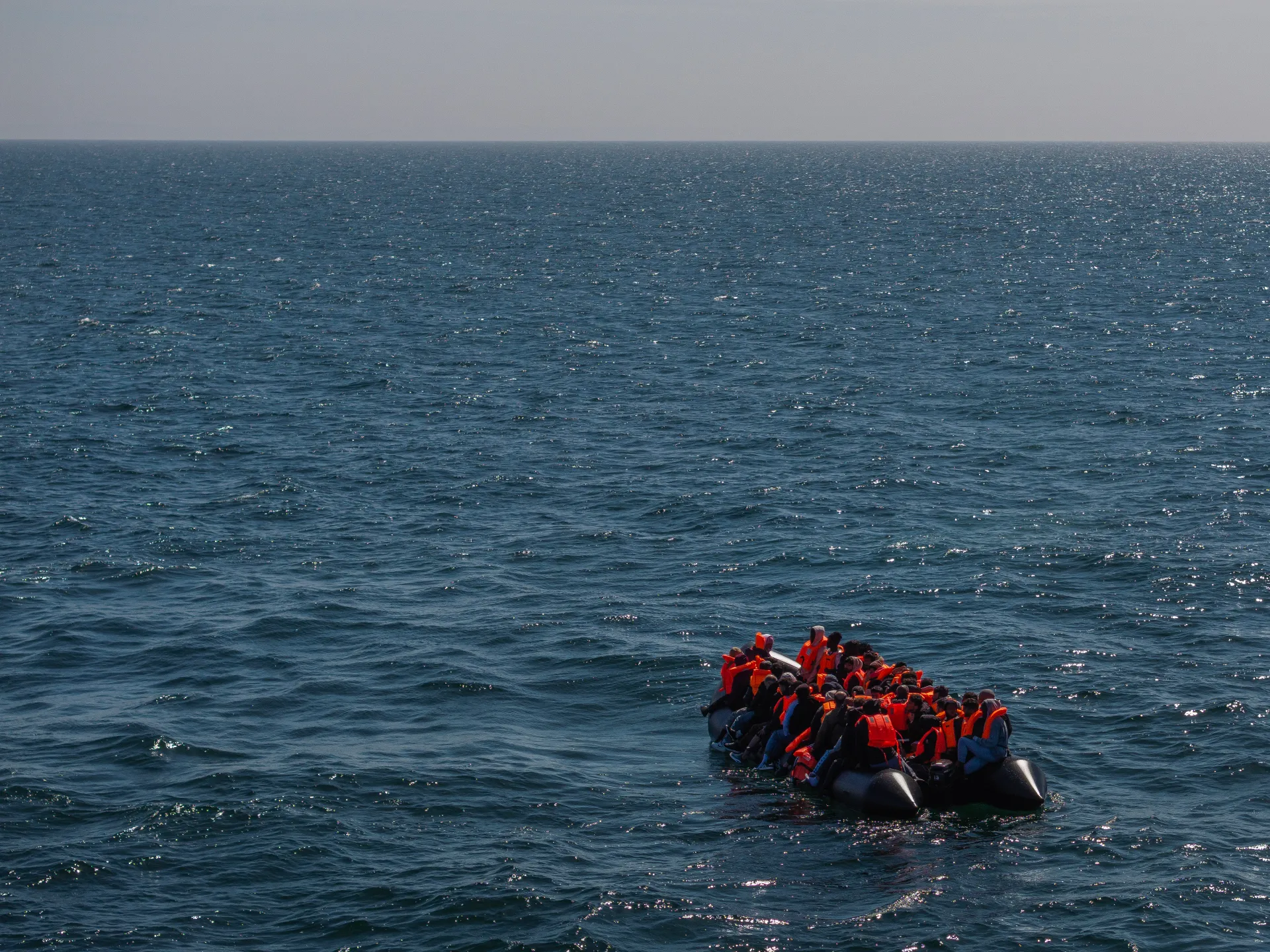
Deaths and disappearances along the Eastern Mediterranean route almost doubled in one year. Along the Atlantic route to the Canary Islands, the number of deaths remained high even though fewer people attempted the journey. Meanwhile, the Central Mediterranean route continues to be one of the deadliest migration paths in the world, with more than 1,300 recorded deaths in 2025 alone.
These developments show that stricter border controls often force migrants to take longer and more dangerous routes. People continue to move, but with fewer legal and safe options available, many are pushed into risky journeys organised by smuggling networks.
The conflict in Sudan is one example of how crises can reshape migration patterns across regions. Since war broke out in 2023, Sudan has become the world’s largest displacement crisis. Millions of people have been forced from their homes, and many have sought safety beyond the country’s borders.
As a result, increasing numbers of Sudanese migrants are now appearing along Mediterranean migration routes. For many, migration is not a choice but a desperate attempt to escape violence, instability and economic hardship.
The Middle East and North Africa are also closely linked to wider global migration trends. In 2025, nearly one in three irregular migrants arriving in Europe came from Asia and the Pacific region. Changes in visa rules, conflict situations or border policies in one country can quickly affect migration flows across several regions.
At the same time, many of the root causes of migration remain unresolved. High youth unemployment, conflict, poverty and climate-related disasters such as droughts, floods and heatwaves continue to push people to leave their homes.
To respond effectively, governments and international organisations must focus on several key priorities.
First, search and rescue operations need stronger support and better coordination. Even if arrival numbers fall, the risks faced by migrants remain severe. Saving lives at sea and along migration routes must remain a humanitarian and legal priority.
Second, countries should expand safe and legal migration opportunities. Labour programmes, family reunification systems and humanitarian pathways can help reduce dependence on dangerous irregular routes while also benefiting economies.
Third, better data collection and information sharing are essential. Accurate statistics on migration flows, deaths and disappearances can help governments design more effective and humane policies.
Finally, stronger international cooperation is needed. Migration is a global issue that no country can manage alone. Governments must work together to combat human smuggling networks, protect migrants’ rights and create policies that balance security with humanity.
The International Migration Review Forum provides an opportunity for countries to renew their commitment to safer migration systems. If governments act together and expand legal pathways while protecting vulnerable people, fewer lives will be lost and migration can become safer and more beneficial for societies worldwide.