
By Staff Reporter
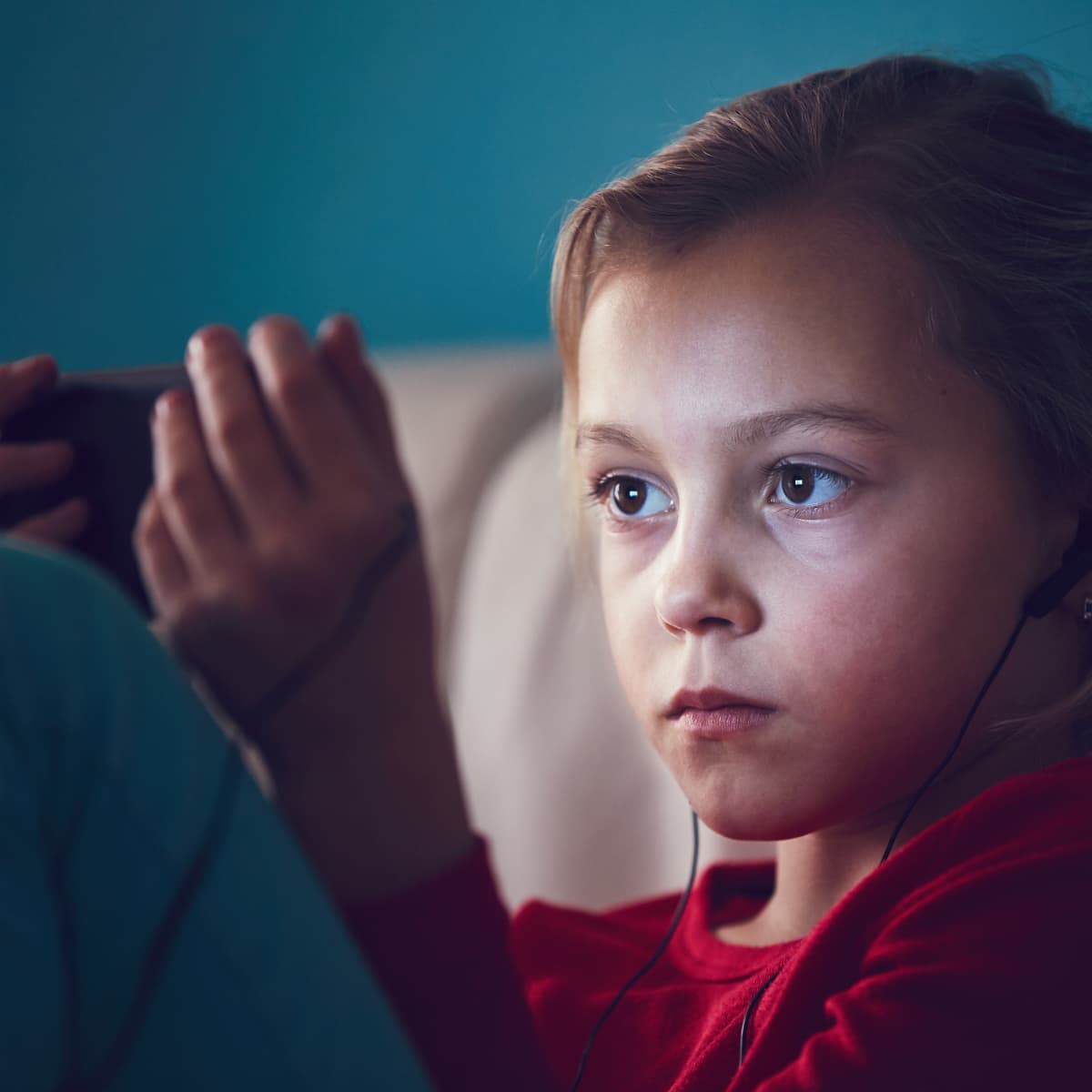
LONDON – British Prime Minister Keir Starmer has announced plans to ban children under the age of 16 from accessing major social media platforms, describing the move as a “big moment for our country” and a decisive step toward protecting young people online.
The proposed legislation, expected to take effect early next year, aims to shield children from harmful online content, cyberbullying, addictive algorithms, and excessive screen time. Starmer vowed not to back down if technology companies oppose the measures.
“I am not prepared to compromise on the safety and happiness of our children,” Starmer said, adding that the government must choose between supporting families or maintaining a digital status quo that is failing young people.
The United Kingdom joins a growing list of countries tightening online safety regulations for minors. Nations including Australia, Canada, Brazil, and Indonesia have already introduced or announced restrictions on children’s access to social media, while France, Spain, Denmark, Thailand, and South Korea are exploring similar measures.
Although the government has yet to release a final list of affected platforms, reports indicate the ban could apply to TikTok, Instagram, Facebook, X, YouTube, Snapchat, Threads, Twitch, Kick, and Reddit.
According to reports, the new regulations may go beyond Australia’s approach by also restricting access to certain AI chatbots, introducing controls on social features within gaming applications, and implementing nighttime curfews designed to curb late-night scrolling among teenagers.
The decision follows an extensive public consultation that received more than 116,000 submissions from parents, educators, technology companies, and young people. Government officials say a large majority of respondents supported stronger restrictions for under-16s.
Culture Secretary Lisa Nandy acknowledged that social media restrictions alone will not solve every online safety challenge but argued they are an important part of a broader strategy to protect children.
The proposal may also increase tensions between the UK and the United States, where officials have expressed concerns that broad online regulations could impact free speech protections and place additional burdens on American technology firms.
While supporters view the measure as a necessary safeguard for young people, critics warn that enforcing such restrictions may prove difficult and could push some children toward less regulated online spaces.
If approved, the legislation would represent one of the world’s most comprehensive attempts to regulate children’s access to social media and digital platforms.