
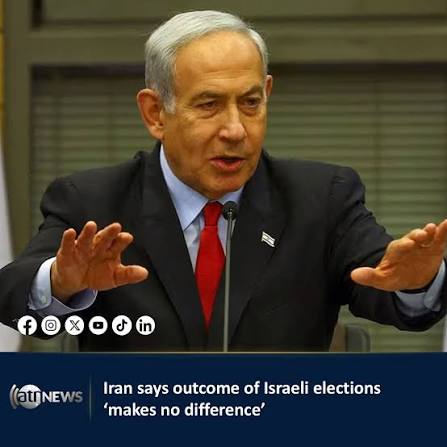
JERUSALEM — Israelis are heading to the polls to elect 120 members of the Knesset in the country’s first general election since the outbreak of the war in Gaza in October 2023.
Prime Minister Benjamin Netanyahu’s Likud Party and its far-right coalition partners are facing a challenge from opposition parties, including Yashar, led by former army chief Gadi Eisenkot.
The election is taking place amid growing debate over the government’s handling of national security, accountability for the October 7, 2023 attacks, corruption allegations and the contentious issue of military service for ultra-Orthodox Jews.
Attempts to disqualify Arab-led political parties have also featured prominently in the campaign, highlighting divisions over political representation and the role of Palestinian citizens of Israel.
The country’s political landscape has also been shifting to the right, with younger voters showing support for right-wing parties.
Meanwhile, millions of Palestinians in Gaza and the occupied West Bank have no direct vote in the Israeli election. Palestinian citizens of Israel, who make up roughly one-fifth of the country’s population, face difficult choices over whether to vote strategically or abstain amid frustration with the political system.
The outcome will determine the composition of Israel’s 120-seat parliament and shape the next government as the country continues to grapple with the political and security consequences of the Gaza war.