
By Staff Reporter
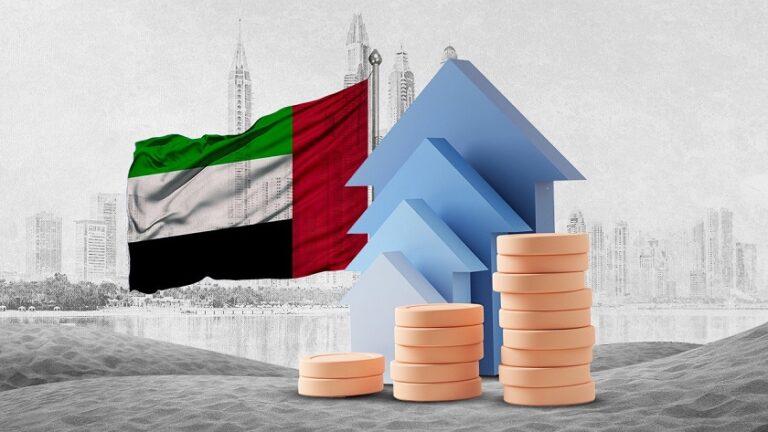
DUBAI — The International Monetary Fund (IMF) has projected that the United Arab Emirates economy will grow by 7.7 percent in 2027, marking a 2.4 percentage-point increase from its April forecast.
The upgraded outlook reflects the UAE’s strong financial reserves, advanced infrastructure and technological capabilities, which the IMF says position the country to sustain economic expansion and withstand external shocks.
The findings were presented by Dr Jihad Azour, Director of the IMF’s Middle East and Central Asia Department, during the launch of the October 2026 Regional Economic Outlook at a press conference organised by the Dubai International Financial Centre in partnership with the IMF.
Azour said the UAE was among the countries best positioned to benefit from artificial intelligence because of its early investments and well-developed infrastructure.
He noted that continued investment in AI could add approximately 0.5 percentage points to the country’s annual economic growth. Across the Middle East and Central Asia, wider adoption of the technology could increase annual growth by between 0.1 and 0.6 percentage points over the medium term, depending on countries’ readiness.
The IMF also highlighted the UAE’s financial buffers, saying they provide room for the government to use fiscal policy to support economic activity while maintaining long-term financial sustainability.
Investment in infrastructure, efficient supply chains and business continuity was identified as essential to strengthening the country’s economic resilience.
On inflation, the report projected that average prices across Gulf Cooperation Council countries would ease to 2.4 percent in 2027 before stabilising at around 2 percent from 2028. Falling commodity prices and fiscal discipline were cited as key factors behind the expected moderation.
The IMF further urged countries across the region to diversify exports and trading partners, develop alternative trade routes and strengthen regional economic integration to reduce vulnerability to external disruptions.
It also emphasised the importance of investing in education, workforce skills and flexible labour markets to improve productivity and support economic diversification.
The IMF said it had approved approximately US$48 billion in financing for the region since 2020 and delivered 437 technical assistance projects across 31 countries in fiscal year 2026.
Source: Emirates News Agency (WAM)