
By Staff Reporter | July 9, 2026
The Gulf region remained on heightened alert on Wednesday after the United States and Iran exchanged military strikes, raising fears of a broader regional conflict and renewed disruption to global energy supplies.
US Central Command (CENTCOM) confirmed that American forces carried out precision strikes on more than 80 targets across Iran overnight. The operation targeted air-defence systems, command networks, coastal radar installations, anti-ship missile sites and dozens of vessels linked to Iran’s Islamic Revolutionary Guard Corps (IRGC).
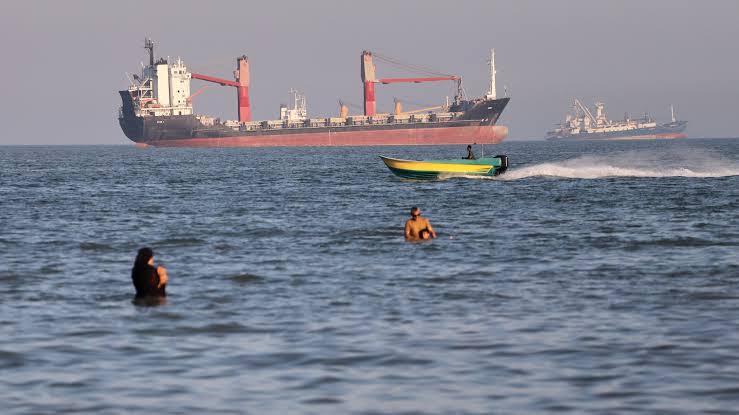
The strikes followed accusations by Washington that Tehran was responsible for attacks on commercial vessels near the Strait of Hormuz, one of the world’s most strategically important oil transit routes.
Speaking at a NATO summit in Turkey, US President Donald Trump declared that the ceasefire between Washington and Tehran was “over,” arguing that continued negotiations with Iran were unlikely to produce results.
“I’ll let our negotiators keep talking if they want, but I don’t see it,” Trump told reporters, signalling a sharp deterioration in diplomatic efforts to contain the crisis.
Iran condemned the American strikes as a “blatant act of aggression” and vowed a strong response. Iranian media reported explosions in several strategic locations, including Kharg Island, Bandar Abbas, Sirik and Qeshm Island. Additional blasts were reported near Bushehr, home to Iran’s only civilian nuclear power plant.
Later in the day, the IRGC claimed it had launched strikes against US military sites in Bahrain and Kuwait and said it had shot down a US MQ-9 Reaper drone. Those claims could not be independently verified.
Bahrain activated air-raid sirens for the third time in recent days, while explosions were reportedly heard in parts of the country. Kuwait’s Armed Forces said air-defence units intercepted two ballistic missiles and 13 drones that entered Kuwaiti airspace. Authorities reported no casualties or damage.
UAE Diplomatic Adviser Dr Anwar Gargash warned that the reported Iranian attacks on commercial vessels and actions involving Bahrain and Kuwait demonstrated that Tehran was not committed to de-escalation.
“Gulf states cannot remain caught between military escalation and repeated calls for regional stability,” he said.
Tensions in the Strait of Hormuz intensified after three commercial vessels were reportedly attacked in Gulf waters. A tanker off Oman caught fire after being struck, while two other ships sustained damage, according to the UK Maritime Trade Operations centre. No injuries were reported.
The developments immediately rattled energy markets. Brent crude rose 5.3 percent to $78.09 a barrel, while West Texas Intermediate climbed 5.4 percent to $74.23 a barrel, reflecting growing concerns about possible disruptions to oil and gas shipments through the narrow waterway.
The European Union Aviation Safety Agency also issued a warning advising airlines to avoid the airspace of Iran, Iraq and Lebanon because of the heightened risk of military escalation. The directive will remain in effect until at least August 31 unless reviewed earlier.
The latest exchange of strikes has placed the fragile ceasefire between Washington and Tehran under severe strain. With Bahrain and Kuwait activating air-defence systems, commercial shipping facing renewed threats and oil prices climbing sharply, Gulf governments are closely monitoring the situation amid growing concerns that the confrontation could expand into a wider Middle East conflict.
The attacks also coincided with mourning ceremonies in Iran for former Supreme Leader Ayatollah Ali Khamenei, adding further political sensitivity to an already volatile crisis.