
By Staff Reporter
New developments across rail, AI, finance and entertainment expected to drive long-term economic growth
Dubai: The United Arab Emirates is entering a new phase of development with a series of major infrastructure, technology and tourism projects expected to reshape how people travel, work and invest over the coming decade.
Analysts say the projects reflect a strategic shift toward long-term economic resilience, with investment focused on transport networks, artificial intelligence infrastructure, financial districts and globally branded tourism destinations.
Among the most significant developments are the Dubai Loop, Etihad Rail, Dubai Gold Metro Line, DIFC Zabeel District, Al Maryah Island Expansion, Project Stargate UAE, Palm Jebel Ali, Disney Resort Abu Dhabi and Wynn Al Marjan Island.
Transport and Connectivity
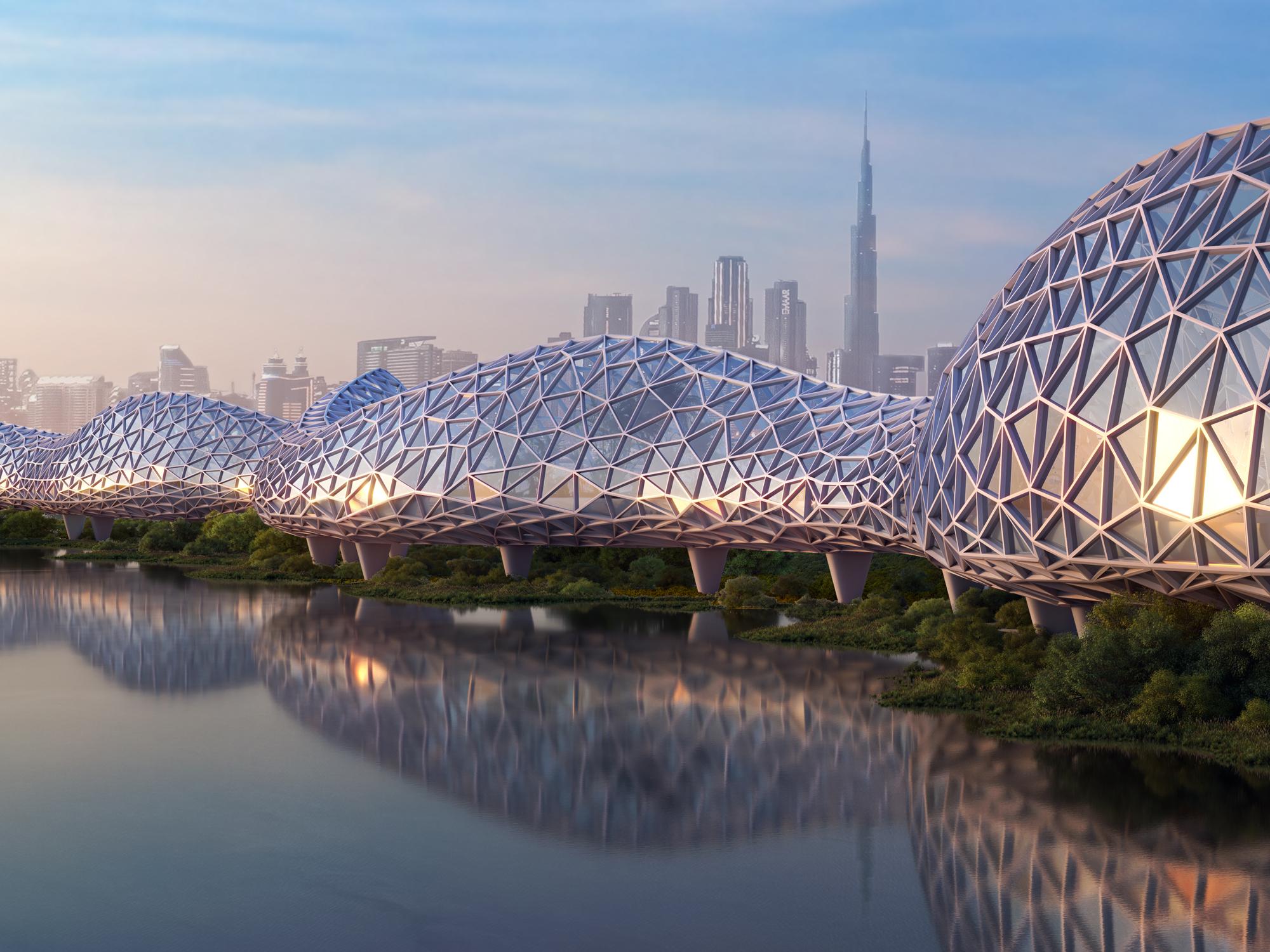
The Dubai Loop is expected to provide a new underground transport option linking key commercial districts. The first phase will include a 6.4-kilometre route with four stations, designed to reduce travel times between the Dubai International Financial Centre and Dubai Mall.
The national Etihad Rail network, spanning approximately 900 kilometres, will connect all seven emirates and eventually integrate with the wider GCC railway system. Officials expect the project to lower logistics costs, reduce road congestion and support industrial growth.
Dubai’s planned Dubai Gold Metro Line is also expected to strengthen the emirate’s public transport network by connecting existing metro routes with future rail services.
Finance and Technology Expansion
The DIFC Zabeel District is set to more than double the capacity of Dubai’s financial centre, with new commercial, residential and hospitality space aimed at attracting international firms and financial institutions.
In Abu Dhabi, the Al Maryah Island Expansion will add significant office, residential and retail space linked to the growth of Abu Dhabi Global Market.
Meanwhile, Project Stargate UAE represents one of the country’s largest artificial intelligence infrastructure investments. The project will include a 1-gigawatt AI computing cluster as part of a wider UAE–US technology campus designed for large-scale AI model training and data management.
Tourism and Waterfront Developments
Palm Jebel Ali is expected to expand Dubai’s coastline by around 110 kilometres and accommodate more than 35,000 families, alongside dozens of hotels and resorts.
The planned Disney Resort Abu Dhabi is projected to become a major family entertainment destination, adding a globally recognised attraction to the capital’s tourism portfolio.
In Ras Al Khaimah, Wynn Al Marjan Island is scheduled to open in 2027 and is expected to boost the emirate’s hospitality, retail and entertainment sectors.
Long-Term Economic Impact
Economists say the combination of transport infrastructure, financial district expansion, AI investment and tourism development is designed to support population growth, attract foreign investment and diversify the UAE economy beyond traditional sectors.
While large-scale tourism and residential projects are expected to generate significant demand, analysts note that phased delivery and alignment with market demand will be important to maintain long-term value.
With completion dates ranging from 2027 to 2032 and beyond, the projects are expected to play a central role in shaping the UAE’s next decade of economic and urban development.