
By Staff Reporter
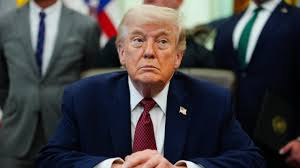
Former U.S. President Donald Trump has extended the ceasefire with Iran just hours before its expiration, temporarily averting a return to open conflict. Despite the extension, Washington has confirmed that its naval blockade of the Strait of Hormuz and Iranian ports will remain in place until Tehran presents what Trump described as a “unified proposal” and completes negotiations.
Pakistan’s Prime Minister Shehbaz Sharif welcomed the move, thanking Trump for preventing an escalation. However, Iran has yet to formally respond to the ceasefire extension or confirm its participation in the next round of talks expected later this week.
U.S. Treasury Secretary Scott Bessent reinforced Washington’s hardline stance, stating that the United States will continue applying “maximum pressure” through ongoing economic and naval measures. He warned that Iran’s key oil facility at Kharg Island is nearing storage limits, raising the possibility of production shutdowns that could further strain the country’s already fragile economy. Bessent also cautioned that any entities involved in covert trade or financial dealings with Iran risk severe U.S. sanctions.
Speaking to the BBC, Iranian Foreign Ministry spokesperson Esmail Baghaei expressed skepticism over U.S. intentions, accusing Washington of lacking seriousness and good faith in previous negotiations. Tehran remains undecided on whether to attend upcoming talks.
Meanwhile, Trump claimed that Iran is losing approximately $500 million per day due to the ongoing blockade, describing the situation as an economic emergency. He suggested that Iranian authorities are under increasing pressure, with reports of delayed wages among military and police forces, and an urgent demand to reopen the Hormuz passage.
The blockade has intensified global energy concerns, as the Strait of Hormuz handles roughly a quarter of the world’s seaborne oil. According to the International Energy Agency, the disruption represents one of the most significant energy crises in modern history, with oil prices surging amid fears of prolonged supply constraints.
In a separate development, U.S. officials confirmed that the Terminal High Altitude Area Defense (THAAD) system remains deployed in South Korea, despite earlier reports suggesting it might be relocated to support operations in the Middle East. Military leadership clarified that while additional munitions are being positioned for potential use, core defensive systems on the Korean Peninsula remain unchanged.