
By Staff Reporter
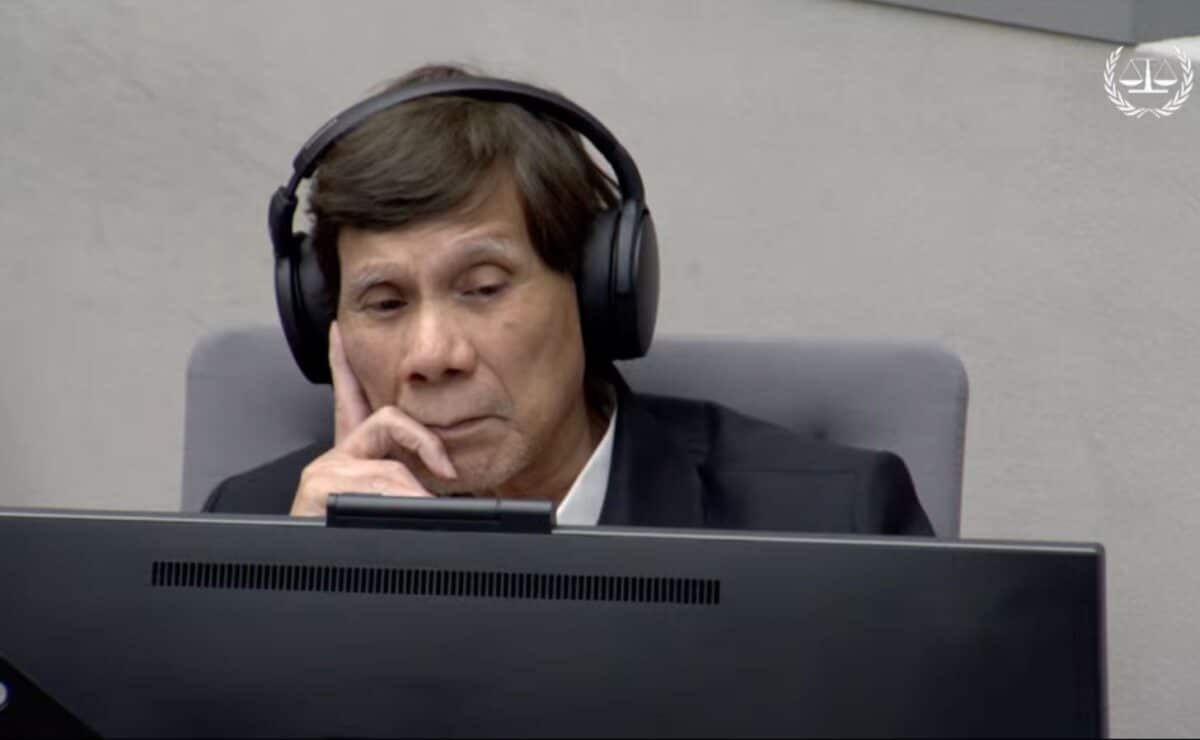
THE HAGUE — The International Criminal Court (ICC) has rejected former Philippine President Rodrigo Duterte’s request for independent expert verification of prosecution evidence, warning that the move could unnecessarily delay the start of his trial.
ICC Trial Chamber III dismissed the defence application in a decision dated September 28, rejecting a proposal to amend the court’s E-Court Protocol to require expert authentication of evidence obtained from open sources.
Duterte’s defence, led by British barrister Peter Haynes, had asked the chamber to require prosecutors to add an “expert verification field” to evidence listings.
The proposed measure was intended to provide an additional layer of authentication for user-generated material and other evidence obtained from publicly available sources.
However, the chamber said the additional requirement was unnecessary and could cause a “needless delay” to the trial.
Instead, the ICC accepted a prosecution proposal requiring open-source evidence to include a URL field, allowing the defence, victims and other participants to identify and access the original source.
The prosecution, defence and common legal representatives of victims had initially agreed to this approach.
The chamber ordered the ICC Registry to implement the amended E-Court Protocol by October 2, less than two months before the scheduled start of Duterte’s trial.
Duterte, who is being held at an ICC detention facility in The Hague, faces three counts of murder in connection with allegations surrounding the so-called Davao Death Squad and the alleged expansion of a violent anti-crime campaign during his presidency.
Prosecutors allege that thousands of people were killed during the campaign. International and local watchdogs have cited estimates of about 30,000 deaths, while Philippine police have put the official figure at more than 6,000.
Duterte has denied the allegations.