
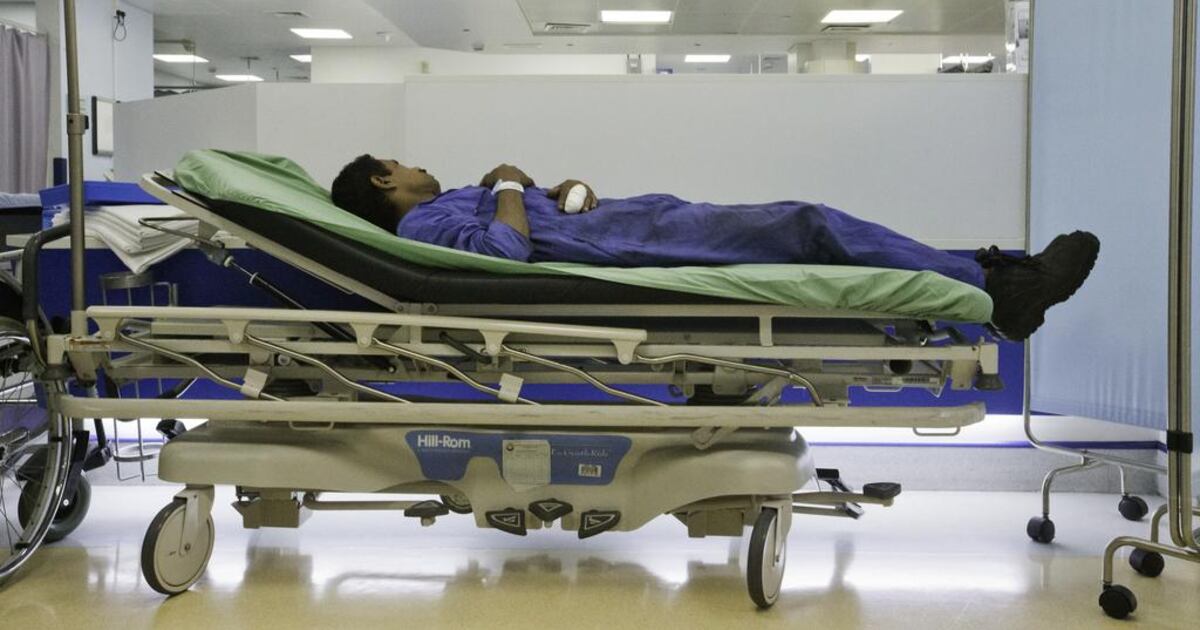
Healthcare facilities in Dubai are reporting a significant increase in patient visits following the recent National Day holiday, driven largely by seasonal influenza and respiratory illnesses.
“Following the National Day break, we have observed a notable rise in patient visits, especially among individuals presenting with respiratory infections, influenza, flu-like symptoms and gastroenteritis. There is also an increase in general viral illnesses and other seasonal disorders,” Dr Mohammed Zaqout, Specialist in Internal Medicine at Prime Hospital, said.
The most common conditions showing an uptick include influenza and flu-like illnesses, viral upper respiratory tract infections (URTI), bronchitis, gastroenteritis, general viral fevers and post-viral fatigue symptoms.
“When comparing the first eight days of December with the first eight days of November, we have seen a 25 per cent increase in overall patient visits,” Dr Zaqout noted. “This rise is mainly driven by influenza and flu-related infections.”
Dr Dharmendra Panchal, Specialist in Internal Medicine at Medeor Hospital, noted that the spike is consistent with patterns seen after extended holiday breaks.
“This trend aligns with broader observations across Dubai’s healthcare sector and represents the culmination of respiratory illness patterns we’ve been monitoring throughout the autumn and early winter months.”
Holiday factors
Dr Panchal highlighted several contributors to post-holiday illness spikes: public events, concerts, parades, shopping mall visits, family gatherings involving travel, school returns, and abrupt weather changes from summer heat to cooler winter temperatures.
“Social gatherings bring people into close indoor contact, often in air-conditioned environments where ventilation may be limited,” Dr Panchal noted.
“Family reunions, particularly those involving travel from different regions or countries, introduce various viral strains into local communities. After holidays and gatherings, people’s immune systems are often challenged by disrupted sleep schedules and dietary changes, making them more susceptible to infections.”
What to expect this month
Doctors noted that with winter continuing, the public can expect sustained higher levels of flu and respiratory infections, especially during the upcoming festive season and New Year celebrations.
“This combination of ongoing social activities, cooler temperatures and the circulation of multiple respiratory viruses simultaneously, including patients presenting with co-infections, means residents should remain vigilant about their health through January,” Dr Panchal added.
Precautions for residents
Health experts are advising residents to remain vigilant as winter progresses. Recommended measures include:
Receiving the seasonal flu vaccine, including nasal spray vaccines.
Maintaining a balanced, protein-rich diet to support immunity.
Regular exercise and adequate hydration.
Avoiding crowded places when possible, especially if unwell.
Seeking early medical care if symptoms worsen and avoiding self-medication.
Practicing good hygiene, including frequent handwashing and wearing masks when symptomatic.