
By Desmond Nleya
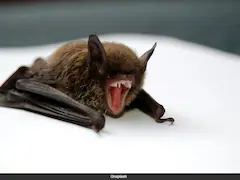
CANADA- An 11-year-old Canadian boy has died from rabies after waking up to find a bat resting on his face while he slept, prompting medical experts to issue an urgent warning that any direct contact with a bat should be treated as a potential medical emergency, even if no bite or scratch is visible.
The tragic case occurred in northern Ontario during the summer of 2024 and was detailed in a peer-reviewed report published this week in the Canadian Medical Association Journal (CMAJ). Doctors say they shared the case to increase public awareness and help prevent similar deaths.
According to the report, the boy awoke to discover a bat lying across his nose and mouth. He immediately brushed it away, while his father safely captured the animal before releasing it outdoors.
Because the child had no obvious bite marks or scratches, and the bat did not appear sick or aggressive, the family did not seek medical attention or request rabies post-exposure prophylaxis (PEP), the treatment that can prevent infection if administered promptly.
Nineteen days later, the boy began experiencing tingling, numbness and swelling on one side of his face. His symptoms initially resembled more common illnesses such as Bell’s palsy and viral infections of the mouth.
However, his condition rapidly worsened. He developed a high fever, difficulty swallowing, confusion and hallucinations before being admitted to intensive care. Laboratory tests later confirmed rabies caused by a bat-associated virus variant.
Despite intensive medical care, the boy died 17 days after being hospitalised.
Medical experts say the case highlights a critical fact about rabies: once symptoms appear, the disease is almost always fatal, but it is nearly 100 percent preventable if treatment begins immediately after a possible exposure.
Health authorities stress that bat bites can be extremely small and may go completely unnoticed. For that reason, anyone who wakes up with a bat in the room, has direct physical contact with a bat, or cannot confidently rule out a bite should seek urgent medical advice without delay.
Doctors also advise against releasing a bat until public health officials determine whether it should be tested for rabies.
The US Centers for Disease Control and Prevention (CDC) identifies bats as the leading source of human rabies deaths in the United States, while health experts say they are also responsible for most human rabies infections across North America.
Although human rabies remains extremely rare in Canada, only 28 cases have been recorded since 1924, thanks largely to vaccination programs and rapid post-exposure treatment.
Doctors hope this heartbreaking case serves as a life-saving reminder: if a bat comes into direct contact with a person—especially someone who was asleep, unconscious or unable to recognise a bite—seek immediate medical attention. Early treatment with rabies vaccine and rabies immune globulin is highly effective before symptoms develop, but once clinical rabies begins, there is currently no proven cure.