
By Staff Reporter
Tehran says it is preparing a list of demands that must be addressed before the strategically vital waterway can be reopened
Iran is preparing a set of conditions for reopening the Strait of Hormuz following requests from regional mediators seeking to ease tensions and revive dialogue between Tehran and Washington.
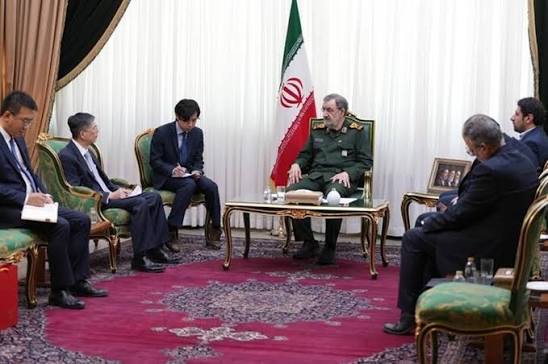
Iranian security chief Mohsen Rezaei said Tehran was drafting a list of demands that would need to be addressed before the waterway could be reopened. He indicated that the United States would first have to take practical steps towards meeting Iran’s conditions.
The announcement comes as diplomatic efforts intensify over the future of the Strait of Hormuz, one of the world’s most strategically important shipping routes and a crucial passage for global energy supplies.
Qatar’s Prime Minister Sheikh Mohammed bin Abdulrahman bin Jassim Al Thani travelled to Tehran for talks on Thursday, where discussions included the situation surrounding the Strait and efforts to create conditions for renewed US-Iran dialogue.
The talks come amid growing international hopes that diplomatic negotiations aimed at ending the conflict could resume.
However, Washington has rejected suggestions that a new agreement over the waterway is currently in place. A US government source told Al Jazeera that agreements between Iran and Oman do not involve the United States.
The source also maintained that the Strait of Hormuz remains open, that mines have been cleared, and that no talks between Washington and Tehran are currently scheduled. The US position is that the naval blockade remains in place.
The conflicting statements highlight the uncertainty surrounding the waterway, with Iran linking its reopening to specific demands while the United States maintains that the Strait is already open.
The Strait of Hormuz connects the Persian Gulf with the Gulf of Oman and the Arabian Sea, making it a critical route for international oil and gas shipments. Any prolonged disruption could have significant consequences for energy markets and global trade.