
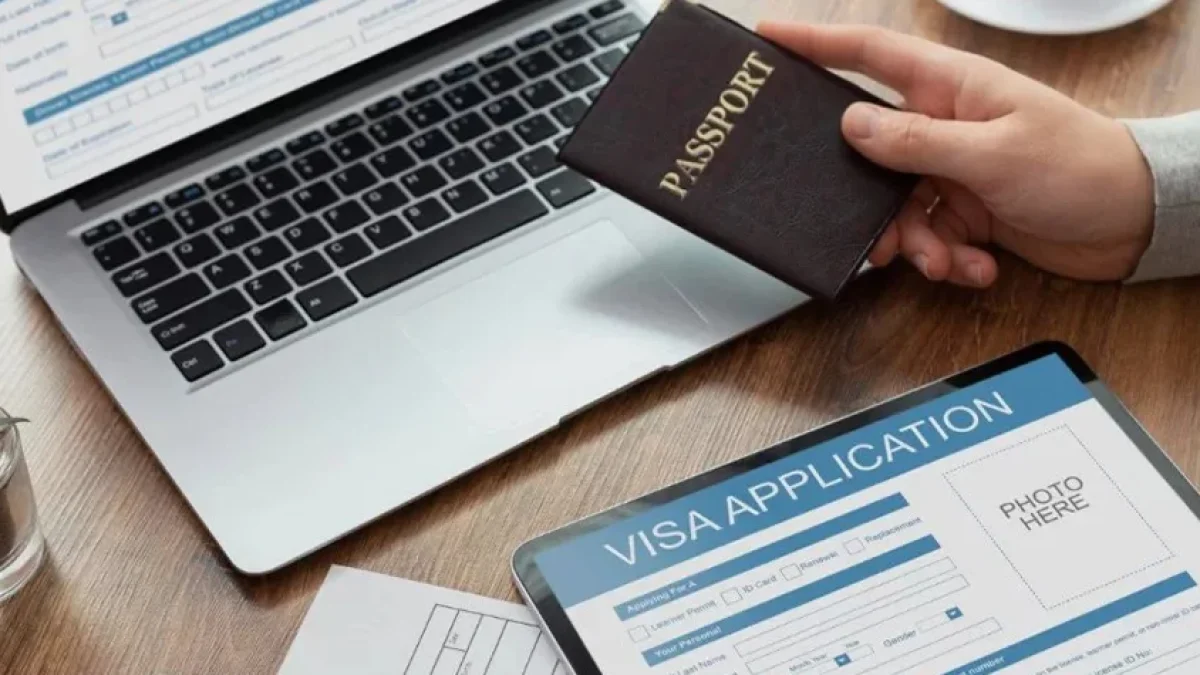
UAE-based applicants lost around Dh21.7 million (€5.2 million) in non-refundable Schengen visa fees, based on data released in mid-2025 by the European Commission. The losses are set to rise this year.
Following the European Commission’s 12% increase in the basic Schengen visa fee—from €80 to €90—the collective loss for UAE residents could exceed Dh31 million in 2025 if rejection levels remain broadly unchanged, as per European Commission fee regulations and recent rejection volumes.
Here are 11 common visa mistakes UAE residents continue to make when applying for Europe, the UK, and the US—and what works better instead.
1. Inconsistent or incomplete application forms
This is one of the most common failure points. Even small discrepancies can undermine an otherwise strong application, especially when documents are reviewed quickly.
Typical issues include:
- Names or spellings that differ across documents
- Travel dates that don’t match tickets or hotel bookings
- Employment or salary details that conflict with payslips or bank statements
Under EU Visa Code Article 32, Schengen visas may be refused if documents are considered unreliable. In the US, INA Section 221(g) allows officers to delay or refuse applications that are incomplete.
What helps?
- Check every detail against your passport.
- Ensure dates, job titles, and figures match everywhere.
- For US DS-160 errors, submit a corrected form and bring both confirmation pages.
Ask yourself: If someone reviewed your file quickly, would everything still line up?
2. Weak financial documentation
Financial evidence remains one of the biggest drivers of Schengen refusals, particularly for UAE residents who travel frequently.
According to European Commission Schengen statistics, about 21% of refusals are linked to insufficient or unclear financial proof.
- Bank statements without official stamps
- Large deposits made shortly before applying
- Account balances that don’t reflect declared income
What helps?
- Submit three to six months of stamped bank statements.
- Avoid last-minute cash deposits.
- Ensure payslips match bank entries.
- If sponsored, include the sponsor’s documents and a signed letter.
Ask yourself: Would your finances make sense to an officer seeing them for the first time?
3. Misunderstanding Schengen 90/180-day rule
The Schengen short-stay rule allows 90 days within any rolling 180-day period across the entire Schengen Area, not per country and not per visa.
- Fines from €500 to over €1,000
- Deportation
- Entry bans of one to five years
- Records in the Schengen Information System (SIS)
As per EU short-stay visa guidelines, overstays are shared across all Schengen states and affect future applications.
What helps?
- Use the EU’s official Short-Stay Calculator before every trip.
- Keep a personal record of entry and exit dates.
- Plan to leave a few days before reaching the limit.
Ask yourself: Are you tracking days—or relying on rough estimates?
Passport rules vary by destination, and airlines often enforce them before immigration officers do. Many travellers only discover problems at the airport.
Key requirements include:
- Schengen Area: Passport valid at least three months beyond exit, issued within 10 years, with two blank pages
- United States: Most nationalities require six months’ validity beyond the stay
- United Kingdom: Passport must be valid for the duration of stay
According to United States Department of State guidance, travellers should renew passports that will expire within nine months.
What helps?
- Check validity before booking flights.
- Count blank pages, not just expiry dates.
Ask yourself: Would your passport clear airline checks today?
5. Non-compliant travel insurance
For Schengen visas, travel insurance is a legal requirement, not a formality.
Under EU Regulation 810/2009, Article 15, insurance must:
- Provide at least €30,000 in coverage
- Be valid across all 29 Schengen states
- Cover medical emergencies and repatriation
According to EU visa application guidelines, non-compliant insurance is cited in roughly 15% of refusals.
What helps?
- Buy Schengen-specific insurance.
- Match coverage dates exactly to your application.
- Ensure certificates clearly show coverage amount and territory.
Ask yourself: Does your insurance meet the rules—or just look acceptable?
6. Not proving strong home-country ties
This is a decisive factor for US and UK visitor visas.
Under INA Section 214(b), US law assumes immigrant intent unless applicants can demonstrate strong ties abroad. The UK Home Office applies a similar assessment under UK Immigration Rules.
Weak ties often include:
- Unstable employment
- Limited assets
- Immediate family already living abroad
What helps?
- Employment letters confirming role, salary, and approved leave.
- Property, investment, or business documents.
- Evidence of family or professional obligations after return.
Ask yourself: Would an officer clearly see why you will come back?
7. US visa interview mistakes
US visa interviews are typically brief, often lasting two to three minutes, leaving little room for error.
Common missteps include:
- Arriving late
- Bringing prohibited items
- Giving answers that don’t match the DS-160
According to US consular guidance, B1/B2 applicants in the UAE must attend in-person interviews. ESTA is only available to Visa Waiver Program nationals, not most UAE residents.
What helps?
- Arrive early and stay focused.
- Answer clearly and briefly.
- Ask for clarification if needed.
Ask yourself: Can you explain your trip simply and confidently?
8. Applying for the wrong visa category
Visitor visas allow limited activities, and exceeding those limits can trigger refusals or future bans.
Problems arise when travellers:
- Seek medical treatment on tourist visas
- Attend paid activities
- Join long-term projects
As per official embassy and consular guidelines, visitor and work permissions are assessed separately.
What helps?
- Match your activities to the correct visa type.
- Review official guidance carefully.
- Clarify unusual cases before applying.
Ask yourself: Does your visa cover what you actually plan to do?
9. Misrepresentation or missing information
Misrepresentation has the most severe consequences.
- US: Permanent ineligibility under INA 212(a)(6)(C)(i)
- Schengen: Records in the Visa Information System (VIS)
- UK: Possible 10-year ban under Immigration Rules Paragraph 9.7.1
What helps?
- Declare all past refusals and overstays.
- Disclose full travel history.
- Never submit false or altered documents.
Ask yourself: Is concealment worth long-term travel restrictions?
10. Confusing single and multiple-entry visas
A single-entry Schengen visa allows one entry only. Once you leave the Schengen Area, the visa expires—even if unused days remain.
Remember, taking trips to:
- The UK
- Morocco
- Türkiye
…count as exits, as these countries are not part of the Schengen Area.
So entering France, flying to the UK, and returning to Europe requires a double or multiple-entry visa.
What helps?
- Check the “number of entries” on your visa sticker.
- Avoid non-Schengen side trips on single-entry visas.
- Apply for multiple-entry visas if you travel frequently.
Ask yourself: Would one extra stop derail your entire plan?
11. Inadequate business documentation
Business visa refusals often come down to unclear purpose rather than eligibility.
According to consular application guidelines, officers typically expect:
- Invitation letters on official letterhead
- Clear agendas and meeting dates
- Employer letters confirming role, salary, and who pays
What helps?
- Explain why in-person attendance is necessary.
- State clearly who covers travel costs.
- Include proof of prior business relationships where possible.
Ask yourself: Would an officer immediately understand why your trip matters?
Why this will help you save in your 2026 trips
With Schengen visa fees now at €90 and service charges averaging Dh150, each failed application costs UAE residents about Dh510 in non-refundable fees, according to European Commission fee structures and visa processing data.
Rejection rates also remain elevated in stricter states such as Malta, Estonia, and Belgium, increasing the financial risk for applicants. At today’s prices, even small mistakes can come at a significant cost.