
By Staff Reporter
The approach supports the Dubai Clean Energy Strategy 2050 and Dubai Net Zero Carbon Emissions Strategy 2050, which aim to provide 100% of Dubai’s total power production capacity from clean energy sources by 2050.
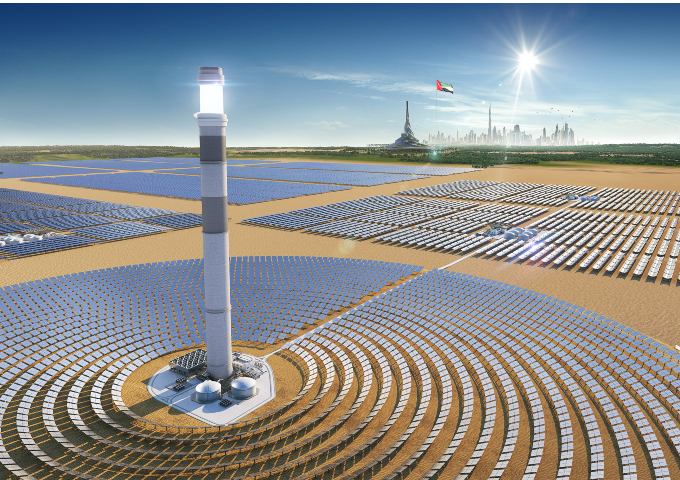
A major part of this transition is the Mohammed bin Rashid Al Maktoum Solar Park, currently with a capacity of 3,860 megawatts. Capacity is expected to exceed 8,000 MW by 2030, surpassing the original 5,000 MW target and potentially increasing clean energy’s share of Dubai’s energy mix to 36%.
DEWA is also developing clean energy storage through the Hatta pumped-storage hydroelectric power plant. The GCC’s first project of its kind has a production capacity of 250 MW, storage capacity of 1,500 megawatt-hours and an expected lifespan of up to 80 years.
Environmental considerations are incorporated throughout the planning, construction and operation of DEWA projects. These measures include Environmental Impact Assessments, monitoring of air, water and soil quality, waste reduction, recycling and resource conservation based on circular economy principles.
DEWA’s environmental efforts also extend to biodiversity and community programmes. In 2026, 254 volunteers planted 700 mangrove trees and participated in beach-cleaning activities at Jebel Ali Marine Sanctuary.
Between 2023 and 2026, DEWA planted 14,650 mangrove trees at the sanctuary. During the same period, beach-cleaning campaigns involving 2,154 volunteers removed 3,546 kilograms of waste, much of it plastic.
By combining clean energy development with environmental monitoring, biodiversity protection and responsible resource management, DEWA aims to support Dubai’s transition towards a low-carbon economy while balancing infrastructure growth with the long-term preservation of natural resources.
News Source: Emirates News Agency