
By Staff Reporter
Iran has announced that the Strait of Hormuz is fully open to all commercial vessels for the duration of the current ceasefire, signaling a temporary easing of tensions in one of the world’s most critical shipping routes.
The move comes as a 10-day ceasefire between Israel and Lebanon comes into effect, creating space for diplomatic negotiations. However, Tehran has made it clear that it does not support a temporary truce, instead calling for a comprehensive and lasting end to the broader regional conflict.
In Lebanon, the ceasefire has been met with cautious optimism. A Hezbollah official stated that the group would observe the truce with “caution and vigilance,” reflecting lingering uncertainty despite the pause in hostilities.
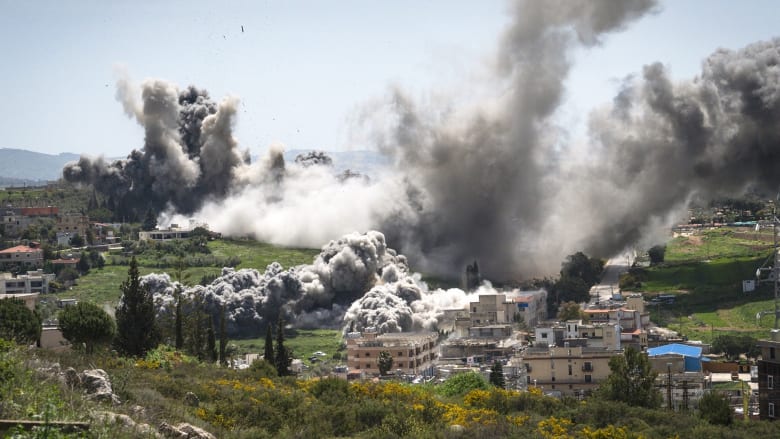
The ceasefire follows a surge in violence, with Israeli forces carrying out intense strikes in southern Lebanon just hours before the agreement took effect. According to Lebanon’s National News Agency, at least eleven people were killed in attacks across the Sidon and Zahrani areas.
As the ceasefire begins, attention now turns to whether negotiations can translate this fragile pause into a more durable peace across the region.