
By Desmond Nleya, Daily Times
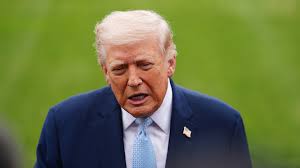
DUBAI: The United States has enforced a blockade on Iran’s key ports, intensifying already high tensions in the strategic Strait of Hormuz, even as President Donald Trump claimed that Tehran is signaling a willingness to negotiate.
Speaking amid the escalating standoff, Trump said Iranian officials have reached out and “want to work a deal,” suggesting a possible дипломатический opening despite the hardline measures now in place. The blockade, which Iran has condemned as an act of “piracy,” has triggered widespread protests across the country, with thousands gathering in Tehran to denounce Washington’s actions.
Efforts to revive dialogue between the two sides are ongoing. Pakistan has reportedly offered to host a new round of negotiations in Islamabad, raising cautious hopes for a diplomatic path forward.
Meanwhile, the regional fallout continues to deepen. In Beirut, the aftermath of an Israeli air strike earlier this month remains visible, with damaged infrastructure and vehicles marking the impact. Survivors have begun recounting their experiences as tensions between Israel and Iran-aligned groups persist.
Adding to the strain, Naim Qassem, deputy leader of Hezbollah, has rejected planned talks between the Lebanese government and Israel. The discussions are scheduled to take place in Washington, DC, but Qassem’s stance signals potential obstacles to de-escalation efforts.
Trump has also broadened his criticism beyond geopolitical rivals, targeting Pope Leo XIV over the pontiff’s opposition to the war. The US president described the Pope’s position as “wrong” and accused him of being “weak on crime,” injecting further controversy into an already volatile international situation.
As military pressure and diplomatic overtures unfold simultaneously, the coming days are likely to determine whether the crisis moves toward negotiation or further confrontation.