
By Desmond Nleya
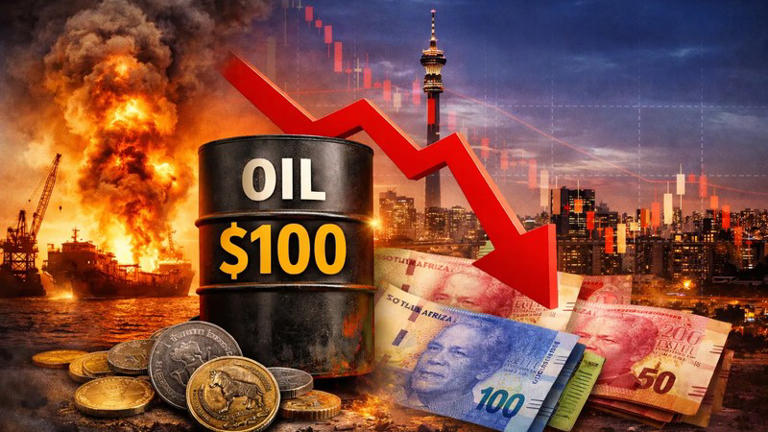
Oil prices have surged past $100 per barrel as the ongoing Middle East conflict disrupts global energy supplies, raising fears of economic strain across Africa. The escalation of hostilities involving Iran, Israel, and the United States has severely affected shipping through the strategic Strait of Hormuz, one of the world’s most important oil transit routes. The disruption has triggered global market anxiety and pushed fuel prices sharply higher.
Energy regulators warn that if the crisis persists, Africa’s economic growth could slow significantly. Regional Association of Energy Regulators for Eastern and Southern Africa CEO Geoffrey Aori said the rising cost of fuel and the risk of shortages could reduce the continent’s economic growth by as much as three percentage points. This comes as the African Development Bank had previously projected Africa’s economy would grow by about 4.3 percent in 2026.
Across the continent, the effects are already being felt. In Nigeria—Africa’s largest oil producer—petrol prices have jumped dramatically in just a few days. Tricycle rider Rasheed Ayinla said the price of petrol in his area rose from ₦200 to ₦600, tripling within a short period. He expressed frustration that ordinary Africans are suffering from a conflict taking place thousands of kilometres away.
The rising oil prices are triggering broader economic consequences. Higher fuel costs increase transportation expenses for goods, raise production costs for factories and businesses, and ultimately push up food prices. As a result, inflation is intensifying and households are facing growing pressure on their disposable income.
Consumers are already responding to the uncertainty. Market shopper Dolapo Sanusi urged people who can afford it to stock up on essential goods before prices rise further. According to her, items that were sold at normal prices only two days earlier have already become more expensive.
Another concern is Africa’s limited fuel reserves. Many countries on the continent hold fuel stocks that can last only between 15 and 25 days, far below the 90-day standard recommended by the International Energy Agency. In Kenya, for example, reserves are estimated to last about 20 days. Authorities say the available supply could last until the end of April, but only if strict rationing measures and export bans to neighbouring countries are enforced.
Experts argue that African governments may need to introduce temporary fuel subsidies and rationing to ease the pressure on citizens. However, such measures are costly and cannot be sustained for long, especially for countries already facing heavy debt burdens.
The crisis is also being seen as a warning for Africa to accelerate its transition to alternative energy sources. Analysts suggest that greater investment in hydrogen fuels, methanol, and electric vehicles could help reduce the continent’s dependence on imported oil and make economies less vulnerable to global conflicts.
With the war now entering its 16th day and military strikes continuing across the Middle East, uncertainty in global energy markets remains high. For many African nations already grappling with inflation and economic pressures, the current oil shock could deepen existing challenges and slow the continent’s development momentum.
Source: AFP