
By Staff Reporter
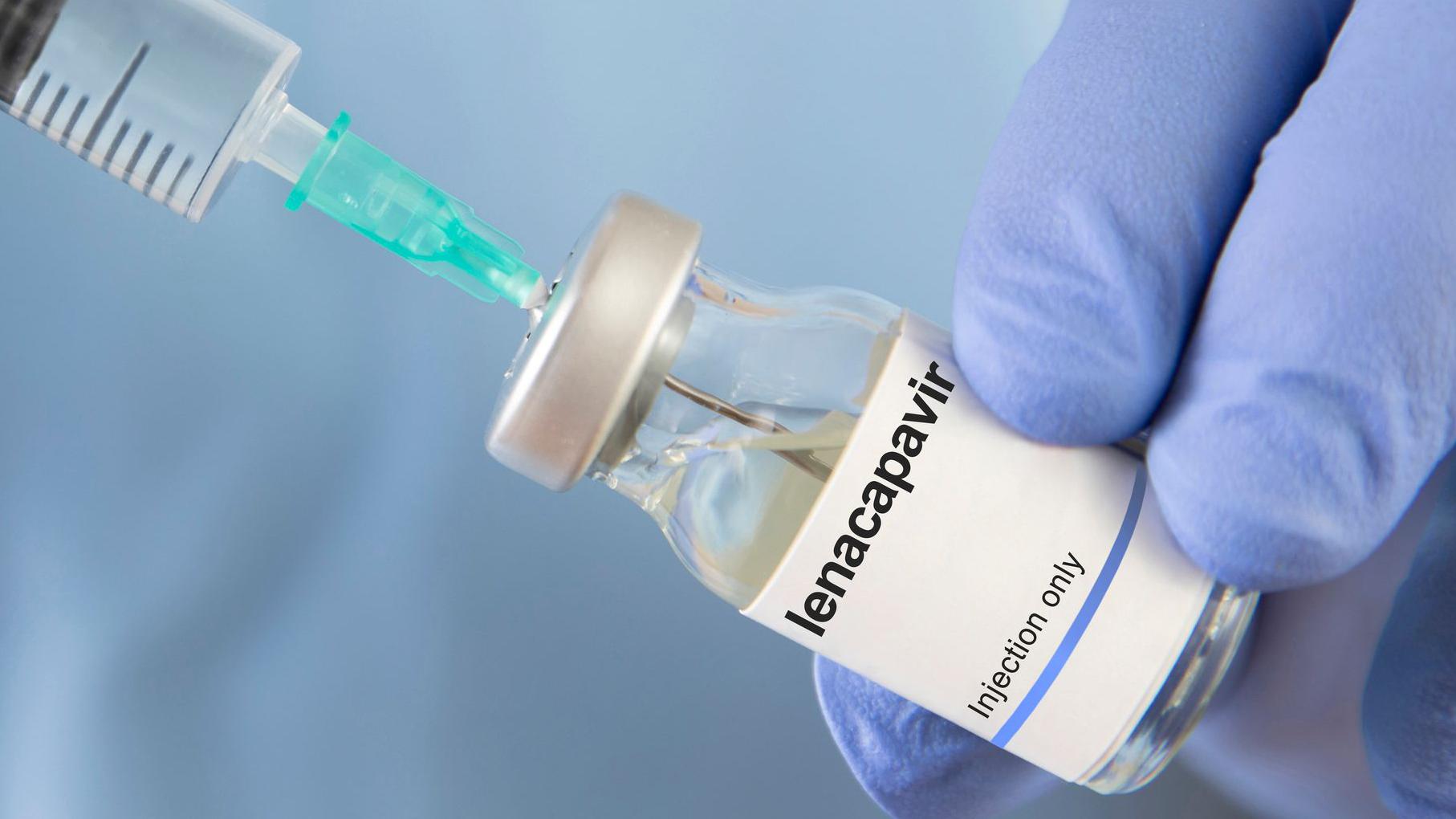
Zimbabwe has launched a national rollout of lenacapavir, a groundbreaking twice-yearly injectable drug for HIV prevention, becoming one of the first countries in the world to implement the programme at scale.
Health Minister Douglas Mombeshora described the launch as “an important day in Zimbabwe’s national response to HIV,” signalling a major step forward in efforts to end AIDS as a public health threat.
Developed by Gilead Sciences and approved locally in November, lenacapavir has shown close to 100 percent effectiveness in preventing HIV infection. The long-acting injection removes the need for daily pre-exposure prophylaxis (PrEP) pills, offering a crucial alternative for individuals who struggle with consistent adherence.
Targeted Rollout
The initial phase of the programme is funded by the U.S. government and The Global Fund. It aims to reach more than 46,000 people at high risk of HIV infection across 24 sites nationwide.
Priority groups include adolescent girls, young women, and sex workers — populations that continue to face disproportionately high infection rates.
Zimbabwe’s HIV Landscape
Zimbabwe remains one of Africa’s most affected countries, with an estimated 1.3 million people living with HIV. However, significant progress has been made over the past two decades.
The country has met the UNAIDS 95-95-95 treatment targets and reduced HIV prevalence from a peak of 34 percent in the early 2000s to around 12 percent today.
Community Uptake
In Epworth, community leader Melody Dengu was among the first to receive the injection and has already encouraged 12 others to follow suit.
Calling the drug “the next best thing to a vaccine,” Tedros Adhanom Ghebreyesus praised the innovation as a transformative tool in global HIV prevention efforts.
The launch of lenacapavir marks a new chapter in Zimbabwe’s fight against HIV, offering renewed hope in the drive toward an AIDS-free generation.