
By Staff Reporter
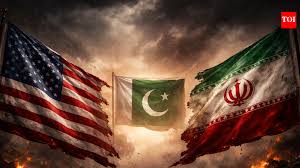
High-stakes diplomatic talks between the United States and Iran are underway in Islamabad, as global powers push to stabilize a fragile ceasefire while rising tensions between Israel and Hezbollah threaten to derail progress.
Timeline of Key Developments – April 11, 2026
09:08 AM
Pakistan announces fuel price cuts, signaling optimism that regional tensions may be easing. Prime Minister Shehbaz Sharif states there is “no talk of war in the Gulf,” emphasizing a shift toward peace.
08:29 AM
A state-of-the-art media center is launched at the Jinnah Convention Center to support international coverage of the talks, according to Information Minister Attaullah Tarar.
08:01 AM
Islamabad enters near-lockdown under heavy security. Roads are sealed and residents advised to remain indoors as delegations prepare for negotiations.
07:53 AM
US Vice President JD Vance travels to Islamabad, stopping in Paris before continuing to Pakistan to lead the American delegation.
06:46 AM
US President Donald Trump warns that Washington will not allow Iran to impose transit tolls in the strategically vital Strait of Hormuz, calling it an international waterway. He signals that military action could resume if negotiations fail.
06:33 AM
UN Secretary-General António Guterres welcomes the talks, urging both sides to pursue diplomacy and avoid renewed conflict.
Earlier (Overnight Developments)
- A high-level Iranian delegation arrives in Pakistan, led by Foreign Minister Abbas Araghchi and Parliament Speaker Mohammad Bagher Ghalibaf.
- Pakistan describes the negotiations as a “make-or-break moment” for regional stability.
- Donald Trump expresses cautious confidence ahead of the talks.
- Iran links progress in negotiations to a ceasefire in Lebanon, where tensions between Israel and Hezbollah continue to escalate.
Wider Context
The negotiations come after nearly six weeks of conflict between the US and Iran, with Pakistan stepping in as a key diplomatic host. However, the parallel escalation between Israel and Hezbollah is complicating peace efforts, raising concerns that even a successful US–Iran agreement may not fully stabilize the region.
Meanwhile, international voices, including South Korean President Lee Jae Myung, have added pressure on Israel over human rights concerns, further intensifying the geopolitical climate.
The Stakes
This moment represents a critical turning point. A successful agreement could ease tensions across the Gulf and secure vital global oil routes. Failure, however, risks renewed military escalation, particularly given warnings from Donald Trump and the fragile situation in Lebanon.
The coming hours and days are likely to determine whether diplomacy prevails or the region slips back toward conflict.