
By Desmond Nleya
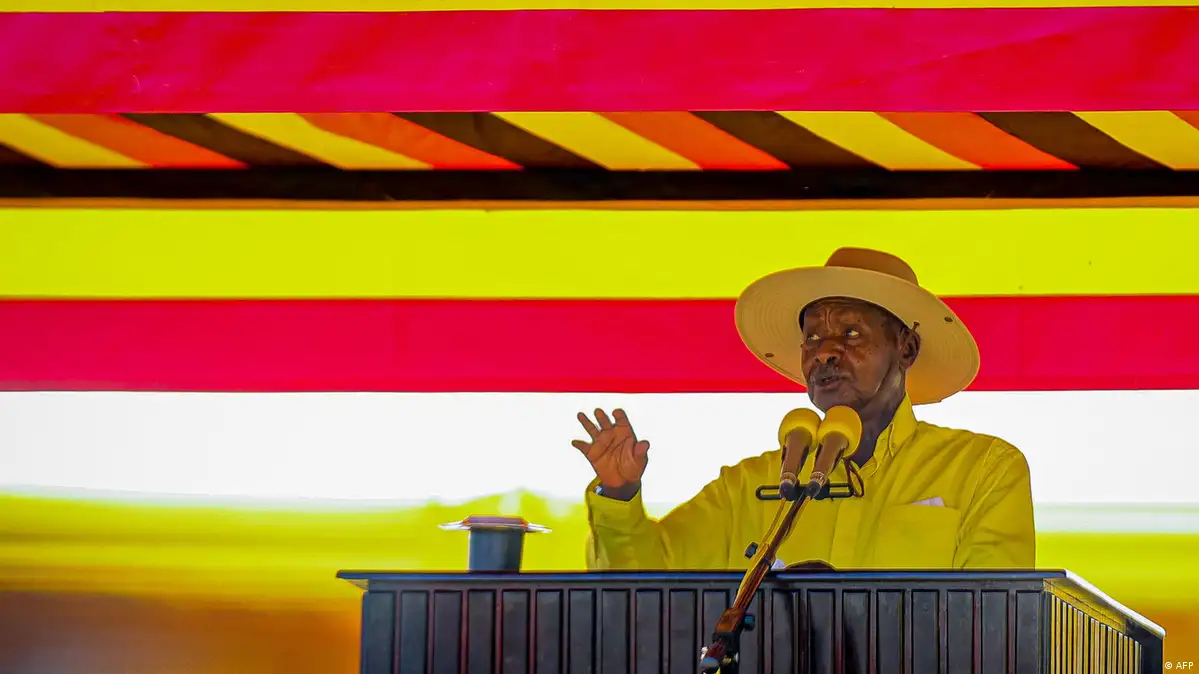
Uganda has once again entered a decisive and tense political moment as authorities imposed a nationwide internet shutdown just hours before polling stations opened for presidential elections. The move comes amid a high-stakes contest between long-serving President Yoweri Museveni and his most prominent challenger, pop star–turned–politician Robert Kyagulanyi, widely known as Bobi Wine.
The shutdown, confirmed by authorities and the Electoral Commission, was justified as a measure to prevent “misinformation, disinformation, electoral fraud and related risks.” However, critics argue that the timing and scope of the blackout undermine transparency and restrict citizens’ ability to communicate, mobilise, and independently verify electoral processes.
A Generational Battle at the Ballot
At the heart of the election is a generational divide. President Museveni, now 81, has ruled Uganda for nearly four decades, building a political system anchored in the National Resistance Movement (NRM). His supporters credit him with maintaining relative stability and pursuing economic reforms, while detractors point to shrinking civic space, limits on free expression, and persistent repression of political opposition.
Bobi Wine, contesting the presidency for the second time, represents a youthful, urban, and digitally connected electorate eager for change. His campaign has resonated strongly with young voters frustrated by unemployment, corruption, and what they see as an entrenched political elite. Despite arrests, harassment, and restrictions throughout the campaign period, Bobi Wine has continued to rally supporters, urging them to resist fear and vote.
Internet Blackout Raises Credibility Questions
The internet shutdown has intensified concerns about the credibility of the vote. In previous elections, similar blackouts were widely criticised by civil society organisations and international observers as tools to limit scrutiny and suppress dissent. With social media and messaging platforms inaccessible, opposition parties and election monitors face difficulties reporting irregularities in real time.
Bobi Wine has called on supporters to protest peacefully, insisting that the blackout is evidence of an uneven playing field. Security forces, meanwhile, have been placed on high alert, raising fears of clashes should post-election demonstrations erupt.
Analysis: What Is Likely to Happen
Based on historical patterns and the current political environment, President Museveni is the most likely winner of the election. His firm grip on state institutions, security forces, and electoral machinery gives him a decisive advantage. Even with strong popular support among young voters, Bobi Wine faces structural obstacles that make an outright victory extremely difficult.
However, a Museveni win is unlikely to bring immediate calm. Allegations of vote rigging, intimidation, and lack of transparency—especially in the context of the internet shutdown—are likely to fuel protests, particularly in urban areas. These demonstrations may be met with force, as seen in past elections, further deepening political polarisation.
In the short term, Uganda appears headed toward a familiar outcome: Museveni retaining power amid claims of an unfair and non-credible election, followed by protests and a security crackdown. In the longer term, the growing youth population and persistent calls for reform suggest that demands for political change will not disappear, even if they are once again deferred at the ballot box.
Uganda decides today—but the question of genuine democratic transition remains unresolved