
By Desmond Nleya
Thousands of white South Africans are returning to their home country after spending years abroad, marking a notable shift from the long-standing pattern of emigration.
Many of those returning are reclaiming their South African citizenship through a government portal introduced after the repeal of a 1995 law that had stripped citizenship from some expatriates who had taken up foreign nationality.
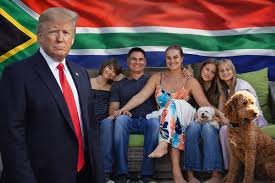
The United States has played a significant role in this migration story. During the administration of Donald Trump, a program was introduced offering refuge to white South Africans—particularly Afrikaners—amid claims of crime and alleged persecution. South African authorities have consistently rejected those claims.
While some accepted the offer and relocated to the U.S., rising concerns about mass shootings, strict immigration enforcement, and growing political tensions have led many to reconsider their move and return to South Africa.
At the same time, improvements within South Africa have encouraged this reverse migration. The near-end of daily power outages and the expansion of private security services have helped restore confidence among those choosing to come back.
Analysts say the trend is also driven by practical and economic realities. The rise of remote work allows professionals to live in South Africa while maintaining jobs abroad, and many now see the country as a more affordable and, in some cases, more stable place to live compared with some of the countries they previously migrated to, including the United States.