
By Desmond Nleya
Iran has reported “good progress” in its latest round of indirect nuclear talks with the United States, held in Geneva and mediated by Oman, as tensions continue to simmer in the Gulf region.
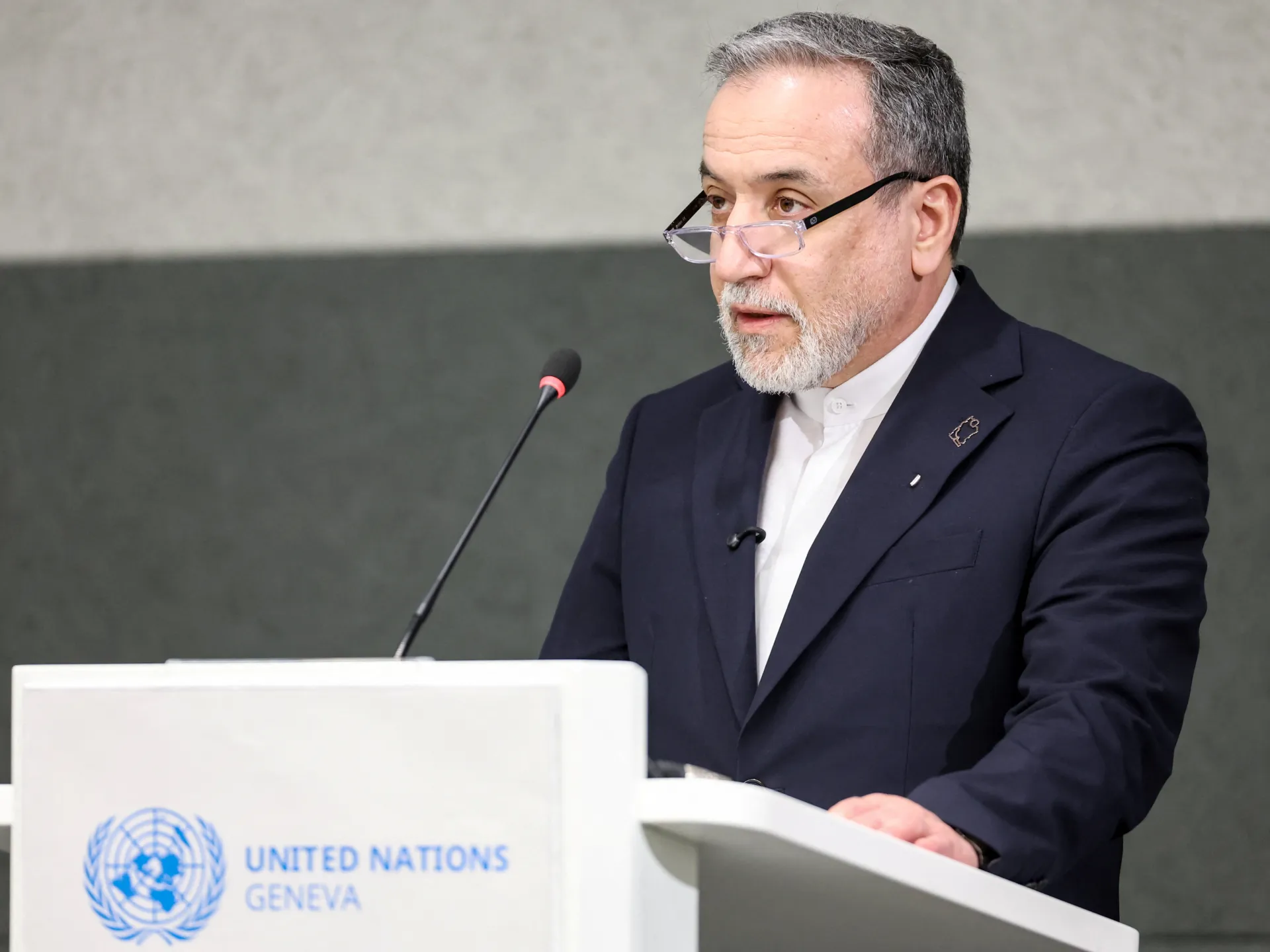
Iran’s Foreign Minister, Abbas Araghchi, said the two sides had reached a broad understanding on a set of “guiding principles” that could form the basis of a potential agreement.
Speaking after Tuesday’s discussions, he described the negotiations as constructive and said they had identified a “clear path forward,” although significant gaps remain.
According to Araghchi, the next step will involve drafting texts for a possible deal, which would then be exchanged before scheduling a third round of talks. He acknowledged that narrowing differences would take time.
In Washington, US Vice President JD Vance signalled cautious optimism. He said the talks showed progress but emphasised that President Donald Trump had set firm “red lines” that Iran has yet to accept. Vance reiterated that while diplomacy is preferred, military options remain available if negotiations fail.
Iran has long sought relief from extensive US sanctions, including restrictions on its oil exports. Tehran insists that any agreement must preserve its right to enrich uranium for civilian purposes and deliver tangible economic benefits.
The United States, however, is demanding that Iran halt uranium enrichment on its soil and is pushing to broaden negotiations to include Iran’s missile programme and regional activities. Iranian officials have rejected zero enrichment and insist that missile capabilities are non-negotiable.
The talks come amid heightened military posturing. The US has deployed two aircraft carriers to the Gulf, including the USS Abraham Lincoln, positioning advanced fighter jets within range of Iran.
Meanwhile, Iran’s Supreme Leader, Ali Khamenei, warned that Tehran has the capability to sink US warships. Iran’s Islamic Revolutionary Guard Corps has launched military exercises in the Strait of Hormuz, temporarily restricting parts of the vital waterway during drills.
The Strait of Hormuz is a critical global oil transit route, handling roughly a fifth of the world’s oil supply. Iran has previously threatened to close it in response to potential attacks, a move that would disrupt global markets.
Background and diplomatic context
Diplomatic efforts suffered a major setback last year when Israel launched strikes on Iranian targets, triggering a brief 12-day conflict that saw US involvement in attacks on nuclear sites at Natanz, Fordow and Isfahan.
Analysts suggest that Iran’s nuclear programme has been significantly degraded since then, potentially making compromise easier on enrichment limits. However, broader issues such as missile development and regional influence remain major obstacles.
Iranian President Masoud Pezeshkian has reiterated that the country is not seeking nuclear weapons and is open to international verification. Iran remains a signatory to the Nuclear Non-Proliferation Treaty, which permits civilian nuclear development under international oversight.
Israel, which has not signed the treaty, maintains a long-standing policy of ambiguity regarding its own nuclear capabilities, though it is widely believed to possess such weapons.