
By Staff Reporter
Tehran says regional mediation is advancing and a framework for negotiations could emerge within days.
Iran says it expects progress toward restarting nuclear talks with the United States, as signs mount that both sides are stepping back from the brink of military confrontation.
Speaking on Monday, Iranian Foreign Ministry spokesman Esmaeil Baghaei said Tehran is reviewing several diplomatic proposals put forward by regional countries aimed at easing tensions with Washington. He added that a framework for talks could be finalised “in the coming days”.
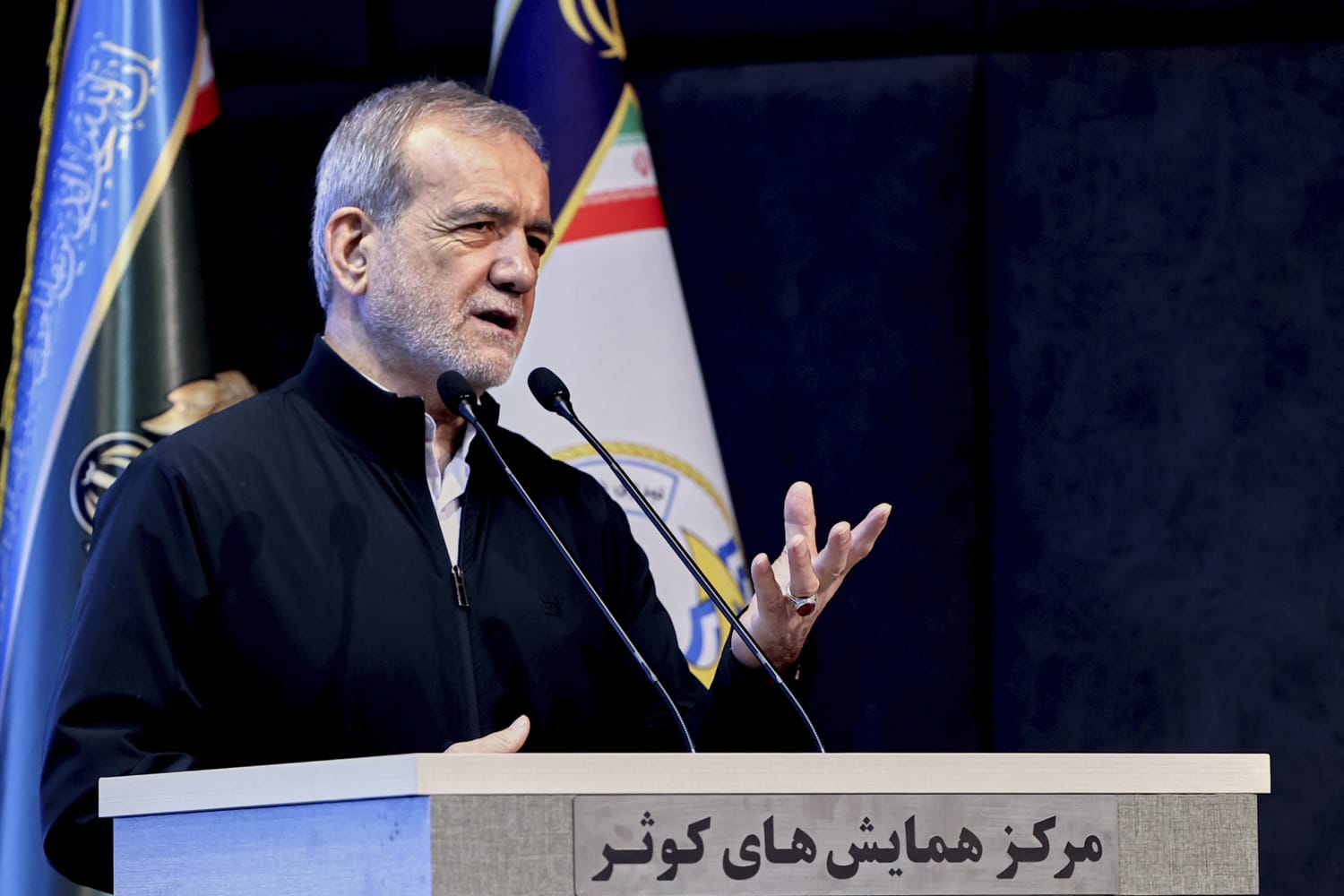
The comments come amid unverified reports that President Masoud Pezeshkian has ordered the revival of negotiations over Iran’s nuclear programme, which collapsed last year.
According to Reuters, citing unnamed Iranian and US officials, indirect talks are expected to take place on Friday in Istanbul, involving US Special Envoy Steve Witkoff and Iranian Foreign Minister Abbas Araghchi. AFP separately quoted a regional official as saying a “potential meeting” in Turkiye is being facilitated by Qatar, Turkiye, Egypt and Oman.
Baghaei confirmed that indirect contacts are underway, with regional states acting as intermediaries. “Several points have been addressed, and we are examining and finalising the details of each stage in the diplomatic process,” he said.
Iran’s state news agency IRNA reported that Araghchi has held phone discussions with counterparts in Saudi Arabia, Egypt and Turkiye to review recent developments. Meanwhile, the Fars news agency quoted an unnamed source saying President Pezeshkian had instructed officials to resume nuclear negotiations with the US, though no date was given.
The diplomatic activity follows weeks of heightened tensions. US President Donald Trump deployed warships to the Middle East after Iran’s violent crackdown on mass protests in January, which left thousands dead. The unrest, driven by economic collapse and currency devaluation under sanctions, posed the most serious challenge to Iran’s leadership in years.
Despite earlier threats, Trump has since shifted his tone, calling for a deal to prevent Iran from acquiring nuclear weapons. On Sunday, he said Washington was “seriously talking” with Tehran, while warning that US military assets remain positioned in the region.
Iran insists its nuclear programme is civilian, but the US and European Union remain concerned about weapons development. Iranian sources told Reuters that Washington is demanding an end to uranium enrichment, limits on Iran’s missile programme and a halt to support for allied armed groups — conditions Tehran has historically rejected as non-negotiable.
Talks launched in Oman last June collapsed after Israeli strikes on Iran and subsequent US attacks on Iranian nuclear facilities.
Iran’s Supreme Leader Ali Khamenei struck a defiant note on Sunday, warning that any attack on Iran would ignite a “regional war”. Still, with sanctions biting and economic pressure mounting, Tehran appears increasingly open to diplomacy — even as major obstacles remain.