
By Staff Reporter
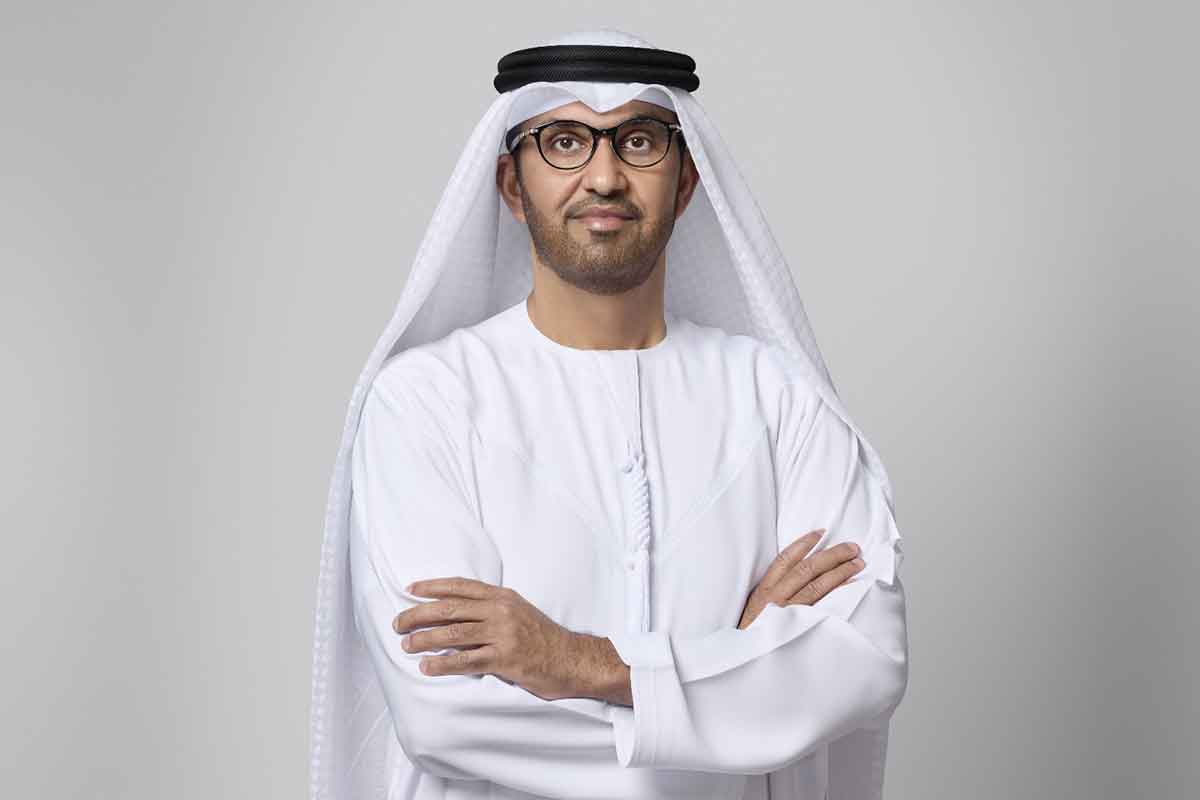
Dubai: Rising tensions around the Strait of Hormuz are already pushing up the cost of living worldwide, according to Sultan Ahmed Al Jaber, who warned that disruptions in energy flows are directly affecting households across the globe.
Speaking in Washington at the Middle East Institute’s 80th anniversary gala, where he received the 2026 Distinguished Global Leadership Award, Al Jaber highlighted the far-reaching consequences of instability in one of the world’s most critical oil transit routes.
“When Iran holds Hormuz hostage, every nation pays the price — at the fuel pump, at the grocery store, and even at the pharmacy,” he said, underscoring the link between energy security and everyday expenses.
Energy disruptions hitting households
Al Jaber stressed that energy security is not an abstract concept, but a daily reality with immediate economic consequences.
“Energy security is the difference between the lights staying on or going off,” he noted, warning that any disruption in supply chains quickly ripples through global markets.
According to him, threats to the Strait of Hormuz translate into higher fuel costs, increased transportation expenses, and rising prices for food and essential goods worldwide.
He went further, describing any attempt to weaponise the vital shipping route as “economic terrorism against the global economy,” adding that no country should be allowed to destabilise markets on such a scale.
Leadership under pressure
During his address, Al Jaber also paid tribute to Mohamed bin Zayed Al Nahyan, crediting his leadership with ensuring stability in the UAE during a period of heightened regional tensions.
He emphasized that true leadership reveals itself in moments of crisis, pointing to the resilience of frontline workers and essential service providers who continue to keep the country functioning despite ongoing threats.
From healthcare professionals to engineers and defense personnel, he praised those who maintain critical services under pressure, ensuring continuity and safety across the nation.
Strategic partnerships matter
Al Jaber highlighted the importance of strong international alliances, particularly the UAE’s relationship with the United States, describing it as a partnership built on trust and tested during challenging times.
“Real partnerships are proven through action, especially when the pressure is highest,” he said.
A region at a turning point
Concluding his remarks, Al Jaber described the Middle East as being at a pivotal crossroads. He positioned the UAE as a model of stability, emphasizing its commitment to openness, dialogue, and economic progress.
At a time of global uncertainty, he noted, this approach has strengthened the country’s role as a reliable hub for energy, trade, and investment.