
By Desmond Nleya
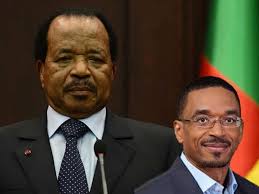
DUBAI-Rumours spread rapidly across Cameroon this week following claims that President Paul Biya had appointed his son, Franck Biya, as the country’s new vice president. The reports, which circulated widely on social media and some local platforms, were swiftly dismissed by government officials as false.
The speculation emerged shortly after the controversial reintroduction of the vice presidential position, a role that had been abolished in 1972 following a constitutional referendum. Although the law restoring the office has been passed, authorities confirmed that no appointment has yet been made.
Despite being debunked, the misinformation has intensified public concern and political tension. Critics argue that the amendment could open the door to dynastic succession, effectively concentrating power within the president’s inner circle. The legislation grants the president full authority to appoint and dismiss the vice president, who may only exercise powers specifically delegated to them.
Supporters of the reform maintain that the move is designed to ensure continuity in governance, particularly given the president’s advanced age. At 93, Biya remains one of the world’s longest-serving leaders, having held power since 1982.
Opposition voices, including the Social Democratic Front, have strongly criticised the amendment, arguing that it undermines democratic principles. They insist that such a powerful office should be filled through an electoral process rather than presidential appointment.
Legal experts have also raised alarms. The Cameroon Bar Association warned that the changes could weaken constitutional balance and reduce the democratic legitimacy of the presidency.
The controversy comes amid growing unease over governance in Cameroon, particularly following Biya’s disputed re-election in 2025, which triggered protests and highlighted tensions between the country’s youthful population and its long-serving leadership.