
By Desmond Nleya
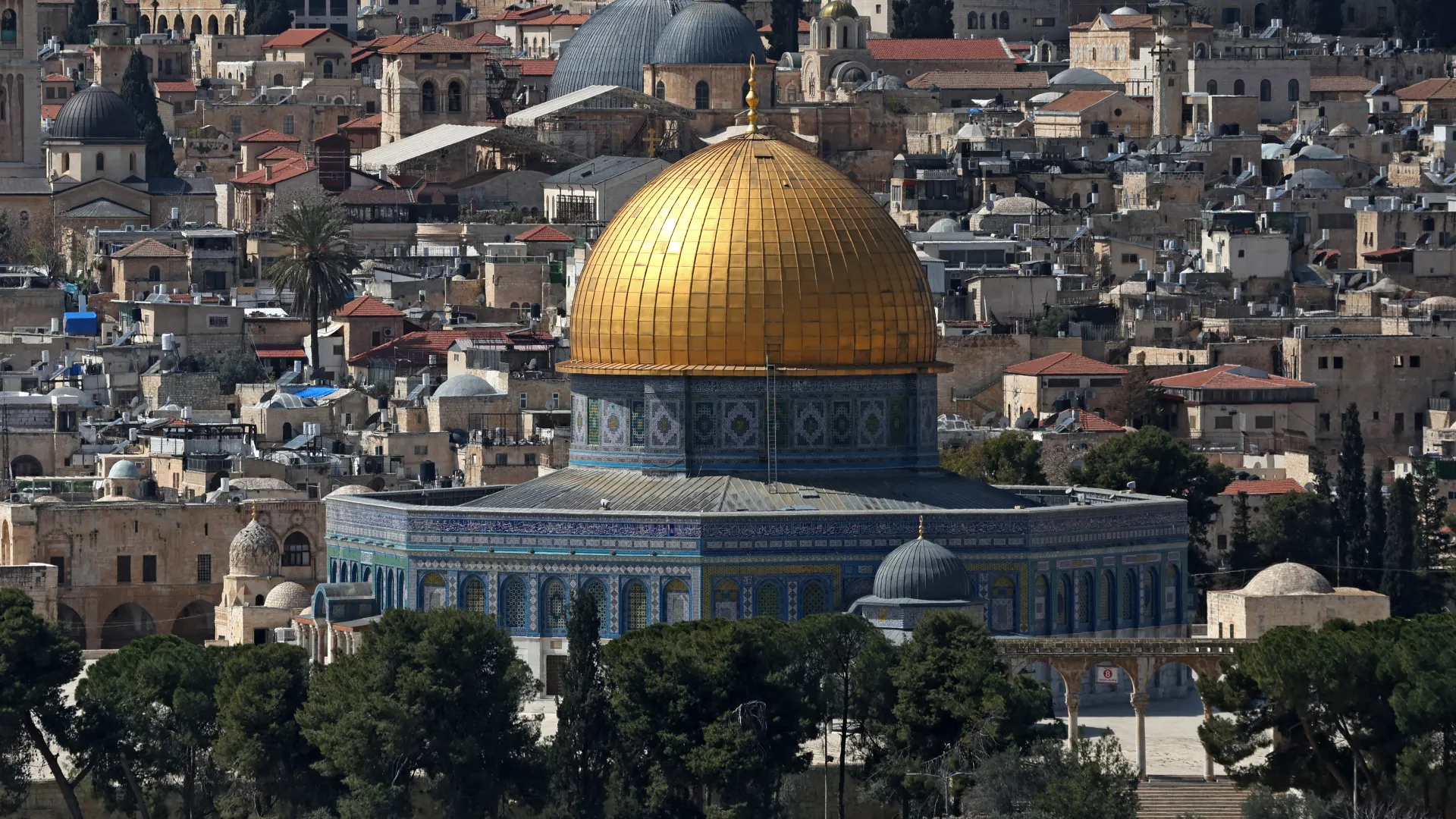
Eight Arab and Islamic countries have strongly condemned Israel for keeping the Al-Aqsa Mosque closed for 12 consecutive days during the Muslim holy month of Ramadan, describing the move as a violation of international law and religious freedoms.
Foreign ministers from Qatar, Jordan, Indonesia, Turkey, Pakistan, Saudi Arabia, Egypt, and the United Arab Emirates issued a joint statement criticizing Israel’s restrictions on Palestinian access to the Old City of Jerusalem and its religious sites.
The ministers said the closure of the mosque and the limitations placed on worshippers represent a “flagrant violation of international law, including international humanitarian law,” as well as a breach of the long-standing legal and historical status quo governing access to holy places in Jerusalem.
They strongly rejected what they described as illegal and unjustified measures by Israel, emphasizing that Israel has no sovereignty over occupied Jerusalem or its Islamic and Christian holy sites. The ministers also reaffirmed that the entire compound of Al-Aqsa Mosque, known to Muslims as Al-Haram Al-Sharif, is exclusively a place of Muslim worship.
According to the statement, the Jerusalem Endowments and Al-Aqsa Mosque Affairs Department, which operates under Jordan’s Ministry of Awqaf and Islamic Affairs, remains the only legal authority responsible for managing the mosque and its compound.
The eight countries called on Israel, as the occupying power, to immediately reopen the mosque, lift restrictions on entry to the Old City, and allow Muslim worshippers free access to perform prayers during Ramadan. They also urged the international community to pressure Israel to halt what they described as ongoing violations at the site.
Israeli authorities say the restrictions were imposed for security reasons linked to the ongoing conflict involving Iran. However, the Palestinian Ministry of Foreign Affairs has condemned the continued closure, calling it a blatant violation of Palestinian rights.
Meanwhile, Hamas has warned that the move sets a dangerous historical precedent and undermines freedom of worship at one of Islam’s holiest sites.