
By Desmond Nleya
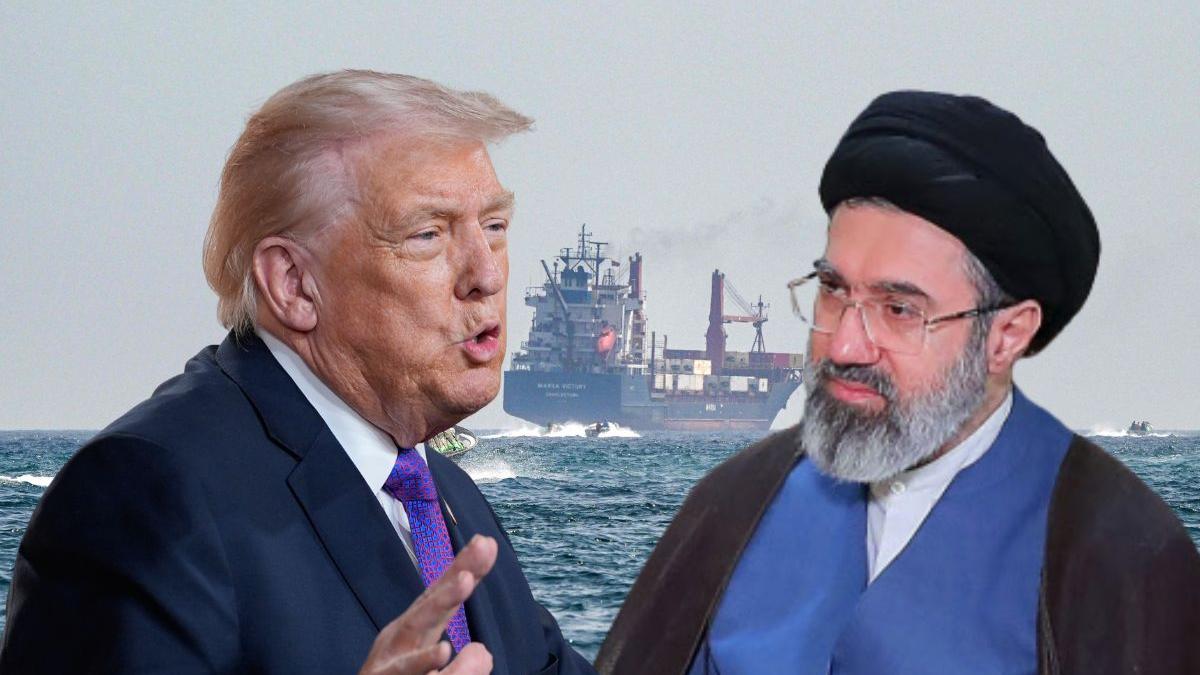
A fragile pause has emerged in the 40-day conflict between the United States, Israel, and Iran, as a two-week ceasefire takes effect following intense last-minute negotiations. The agreement, backed by Donald Trump and supported by Benjamin Netanyahu, is tied to the reopening of the strategically critical Strait of Hormuz.
Iran has confirmed it will suspend military operations and participate in diplomatic talks set to begin Friday in Pakistan, marking a potential turning point in a conflict that has shaken global markets and raised regional security fears.
Key Timeline of Developments (April 8, 2026)
08:43 AM – Trump signals optimism, stating the US will assist in easing congestion in the Strait of Hormuz and hints at economic recovery prospects for the region.
08:02 AM – The US and Iran finalize a ceasefire just before a critical military deadline. Both sides publicly claim victory after weeks of escalation.
07:35 AM – Antonio Guterres welcomes the ceasefire, urging compliance and a path toward lasting peace.
07:13 AM – Israel formally backs the US-led ceasefire initiative, conditional on Iran halting attacks and reopening key shipping routes.
07:07 AM – Israel clarifies the agreement does not extend to Lebanon, contradicting earlier mediation claims by Pakistan.
06:55 AM – Trump asserts Iran’s nuclear materials will be “under control” within the framework of the truce.
06:49 AM – Trump suggests China may have influenced Iran’s decision to negotiate.
06:28 AM – The US administration labels the ceasefire a “total and complete victory,” citing military pressure as leverage.
06:18 AM – NATO Secretary-General Mark Rutte prepares for talks in Washington amid alliance tensions.
06:05 AM – Public reactions emerge in Tehran as civilians respond to news of the ceasefire.
06:02 AM – Discrepancies appear in Iran’s ceasefire proposal, including references to continued uranium enrichment in its Farsi version.
05:51 AM – The White House confirms discussions are underway for possible face-to-face negotiations with Iran.
05:36 AM – Regional instability continues despite the truce:
- Fire reported at Abu Dhabi’s Habshan gas facility
- Missile alerts issued across the UAE
- Ongoing strikes reported in parts of Saudi Arabia
05:17 AM – The US confirms the release of journalist Shelley Kittleson, previously held by an Iran-backed militia in Iraq.
What the Ceasefire Means
The agreement hinges on several critical conditions: Iran must ensure safe maritime passage through the Strait of Hormuz, halt attacks, and enter negotiations. In return, the US has paused plans for expanded strikes, including on civilian infrastructure.
While the ceasefire offers immediate relief to global oil markets and regional security concerns, tensions remain high. Disagreements over nuclear policy, conflicting claims of victory, and continued military activity in some areas highlight the fragility of the truce.
The coming days, particularly the Pakistan talks, will determine whether this pause evolves into a longer-term diplomatic breakthrough or merely a briefin a deeply entrenched conflict.