
By Staff Reporter
Israeli strikes on Lebanon and retaliatory rocket fire from Hezbollah have heightened regional tensions, casting doubt over the fragile US-Iran ceasefire as diplomatic efforts continue.
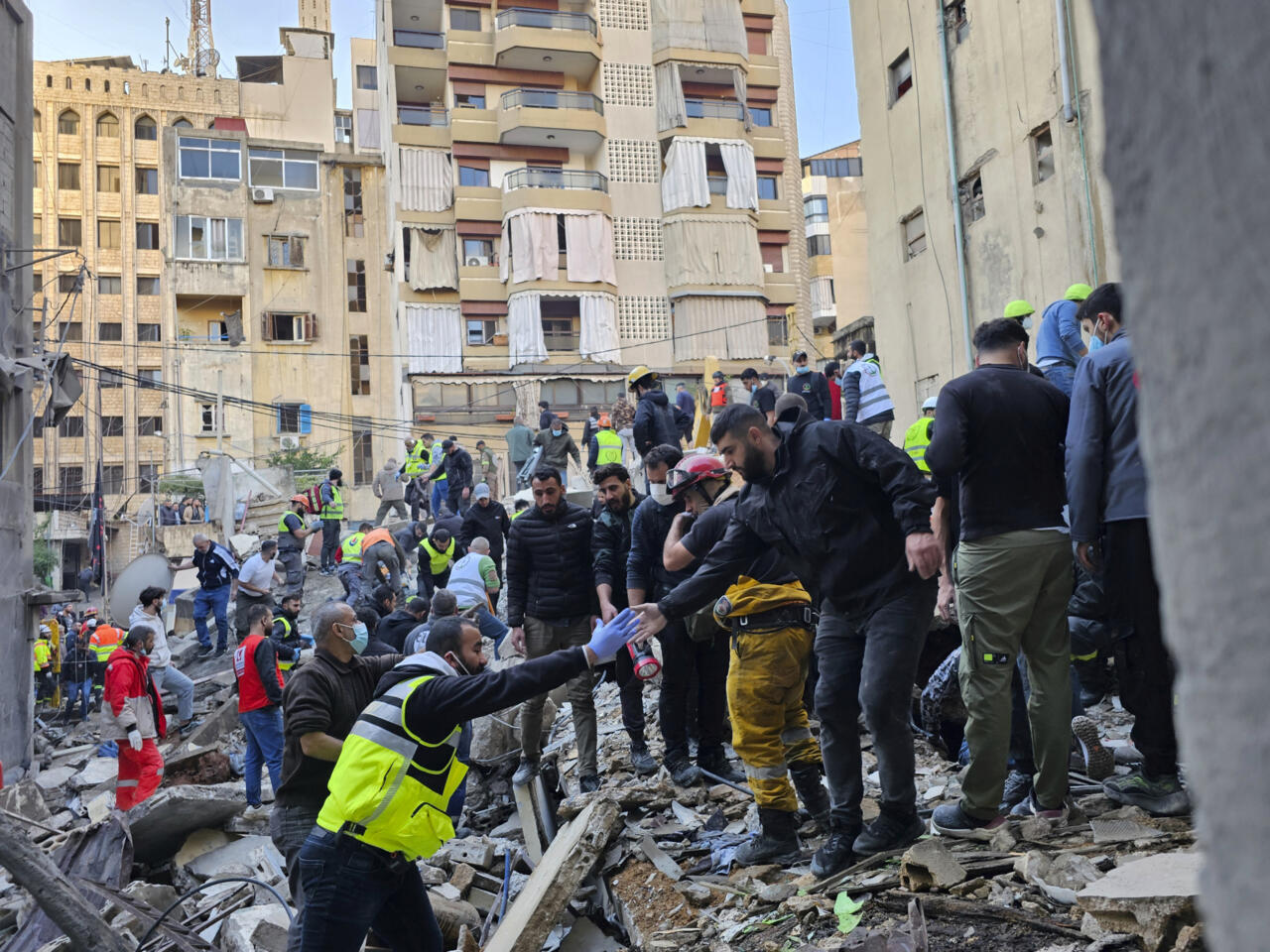
Hezbollah launched rockets into Israel, accusing it of violating an informal truce after a wave of deadly airstrikes hit several in Lebanon, including the capital, Beirut. Lebanese authorities report that at least 254 people were killed and more than 1,100 injured, with rescue teams still searching through rubble for survivors.
The escalation has raised alarm among global leaders. António Guterres warned that continued military operations pose a serious threat to the already fragile ceasefire between the United States and Iran, urging all sides to halt hostilities immediately.
Meanwhile, diplomatic activity is intensifying. An Iranian delegation is expected in Islamabad for high-level talks following an invitation from Shehbaz Sharif. The discussions will centre on a proposed framework aimed at securing a longer-term settlement, despite growing scepticism in Tehran over repeated ceasefire violations.
In Washington, Donald Trump has signalled a hardline stance, warning that US forces will remain positioned near Iran until full compliance with the agreement is achieved. He cautioned that any breakdown in the deal could trigger a significant military response.
The Arab Parliament has strongly condemned the Israeli strikes, describing them as a deliberate attempt to destabilise the region. Its leadership called for urgent international intervention, warning that continued attacks on civilian areas and infrastructure risk plunging the Middle East into broader conflict.
Efforts led by Emmanuel Macron to extend the ceasefire framework to include Lebanon remain ongoing, but with hostilities persisting, the path to de-escalation appears increasingly uncertain.