
By Staff Reporter
CAIRO, Egypt — Egypt has ordered nationwide early business closures in a bid to curb surging energy costs linked to the ongoing US–Israel war on Iran, as small businesses warn of sharp income losses and economic disruption.
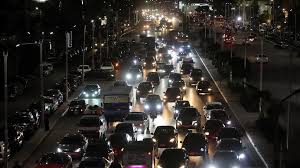
Under measures introduced last week, shops across Cairo must close at 9:00 pm on weekdays and 10:00 pm on weekends, with a temporary extension to 11:00 pm during the upcoming Coptic Easter period. Authorities say the restrictions will remain in place for at least one month.
The policy aims to reduce pressure on Egypt’s energy grid as global fuel prices spike. Prime Minister Moustafa Madbouly said the country’s monthly energy import bill more than doubled between January and March, reaching approximately $2.5 billion.
Egypt, which relies heavily on imported fuel, has also implemented a series of austerity measures, including fuel price increases, reduced public lighting, and expanded remote work policies for government employees.
Economic impact deepens
Business owners report immediate declines in revenue, particularly in sectors dependent on nighttime activity. Retailers in central Cairo say foot traffic has dropped significantly during what are traditionally peak evening hours.
Economists warn the measures could disproportionately affect the informal sector, which accounts for nearly two-thirds of employment in Egypt. Reduced trading hours are expected to cut incomes across small enterprises, many of which depend on late-night commerce.
The national currency has also come under pressure, with the Egyptian pound depreciating by roughly 15 percent since the conflict began, while annual inflation rose to 13.6 percent in March.
Tourism and entertainment sectors hit
The restrictions are also impacting Egypt’s tourism and entertainment industries. While major resort destinations such as Luxor and Aswan are exempt, businesses in Cairo’s historic districts face mandatory closures.
At the Khan el‑Khalili market, shopkeepers are required to shut by 9:00 pm despite continued tourist arrivals in the evening hours. Industry officials warn the reduced nightlife could undermine Cairo’s appeal as a destination known for its late-night economy.
The film industry is also reporting significant losses, with cinema operators estimating revenue declines of more than 60 percent due to the cancellation of late-night screenings.
Public response mixed
While some business owners express cautious optimism that consumers will adjust, others have begun informally circumventing the restrictions by operating discreetly after hours.
Officials maintain that the measures are necessary to manage the country’s rising energy costs amid ongoing geopolitical instability.