
By Staff Reporter
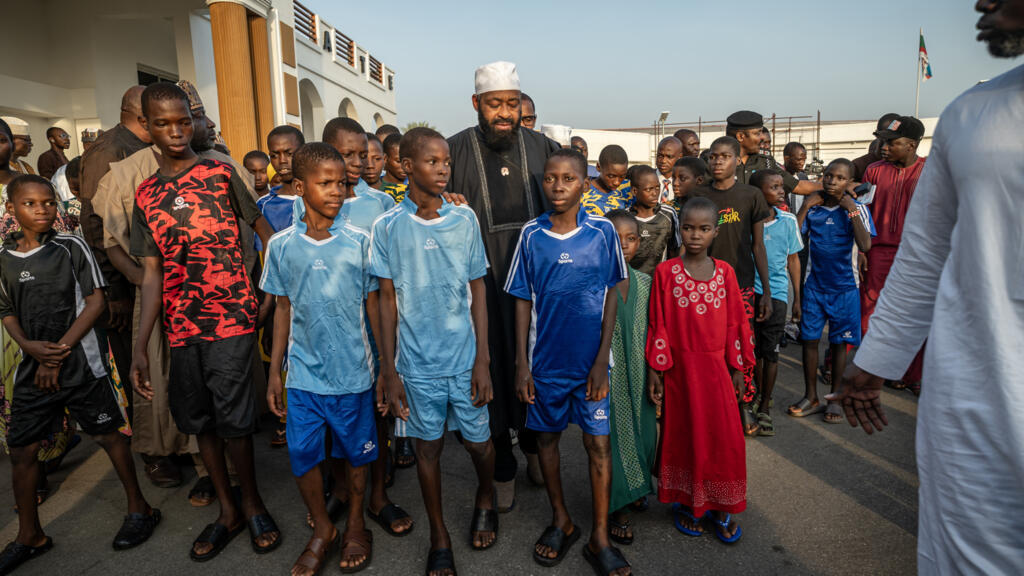
ABUJA – The Nigerian government secretly paid millions of dollars to militants linked to Boko Haram to secure the release of up to 230 pupils and staff abducted from a Catholic boarding school in November, according to an investigation by Agence France-Presse (AFP).
Intelligence sources told AFP that the deal included a substantial cash payment and the release of two Boko Haram commanders — a move that contradicts Nigeria’s laws prohibiting ransom payments to kidnappers.
The money was reportedly flown by helicopter to the insurgents’ stronghold in Gwoza, in northeastern Borno State near the Cameroon border. Sources said the funds were handed to senior commander Ali Ngulde, who allegedly had to cross into Cameroon to confirm receipt due to limited telecommunications coverage in the remote region before the first group of captives was released.
Government Denials
Nigerian authorities have strongly denied paying any ransom. The State Security Service insisted that “government agents don’t pay ransoms,” maintaining that the pupils were freed through negotiations without financial concessions.
The abduction occurred on November 21, when gunmen stormed St. Mary’s boarding school in Papiri, Niger State, kidnapping nearly 300 students and staff. At least 50 reportedly escaped in the days that followed.
Although Boko Haram had not previously claimed responsibility, AFP sources identified a notorious commander known as Sadiku as the mastermind. He is alleged to lead a Boko Haram cell operating in central Niger State and was previously linked to a high-profile 2022 train hijacking in which substantial ransoms were extracted.
Conflicting Figures
Four intelligence sources familiar with the negotiations told AFP the government paid what one described as a “huge” ransom. Estimates vary significantly:
- One source claimed payments amounted to 40 million naira per captive, roughly $7 million in total.
- Another source suggested the figure was closer to two billion naira overall.
The negotiations were reportedly led by Nigeria’s National Security Adviser, Nuhu Ribadu, though officials continue to reject claims of any financial settlement.
Political and Security Implications
The revelation could strain relations with the United States, particularly after US President Donald Trump ordered air strikes against jihadist targets in northern Nigeria on Christmas Day and deployed military trainers to assist Nigerian forces.
Paying ransom to insurgents risks strengthening militant networks financially while undermining counterterrorism policy. Nigeria has struggled with mass kidnappings for over a decade, with criminal gangs and jihadist groups often collaborating to extract payments from families and authorities.
Since launching its insurgency in 2009, Boko Haram has remained most active in northeastern Nigeria, but splinter cells and affiliated groups have increasingly expanded operations into central regions.
If confirmed, the reported payment would highlight the Nigerian government’s continuing dilemma: balancing public denials and legal prohibitions against the urgent political and humanitarian pressure to rescue abducted children.