
By Desmond Nleya
Iran’s leadership has issued stark warnings to Washington as nationwide protests enter their third week, raising concerns that domestic unrest could spiral into a broader regional confrontation.
Tehran has cautioned that any military intervention by the United States would be met with retaliation, a message delivered as security forces intensify their crackdown on demonstrators across the country. The warning follows repeated statements by US President Donald Trump, who has suggested possible intervention to protect protesters amid reports of lethal force by Iranian authorities.
Speaking in parliament, Speaker Mohammad Baqer Qalibaf accused both the United States and Israel of fuelling instability inside Iran. He warned that Israel, which he referred to as “the occupied territory,” along with US military bases and shipping interests in the region, could become targets if Iran comes under attack. His remarks hinted at the possibility of pre-emptive action, underscoring the volatility of the situation.
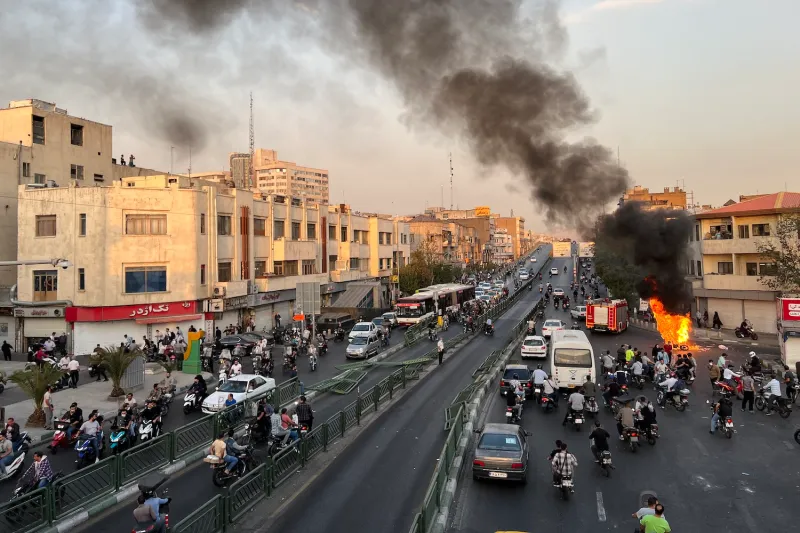
Iranian officials maintain that the protests are being driven by foreign interference, labelling demonstrators as “rioters” and vowing to restore order. Despite an intensified security presence and an ongoing internet blackout, crowds continued to take to the streets in Tehran and other major cities over the weekend, openly defying the government’s warnings.
Human rights organisations estimate that at least 116 people have been killed and more than 2,600 arrested since the unrest began, though the true scale remains difficult to verify due to restrictions on information leaving the country.
What began in late December as protests over rising living costs has since evolved into a direct challenge to Iran’s clerical leadership, which has ruled since the 1979 Islamic Revolution. The growing unrest places the government under significant pressure at home, even as it projects defiance abroad.
Analysts note that Iran’s aggressive rhetoric comes at a time when its military capabilities remain under scrutiny, particularly following damage to its air defence systems during a 12-day conflict with Israel in June. Any move toward open confrontation would ultimately depend on the judgement of Supreme Leader Ayatollah Ali Khamenei, 86, whose decision could determine whether Iran’s internal crisis remains contained or ignites a wider conflict in the Middle East.