
By Staff Reporter
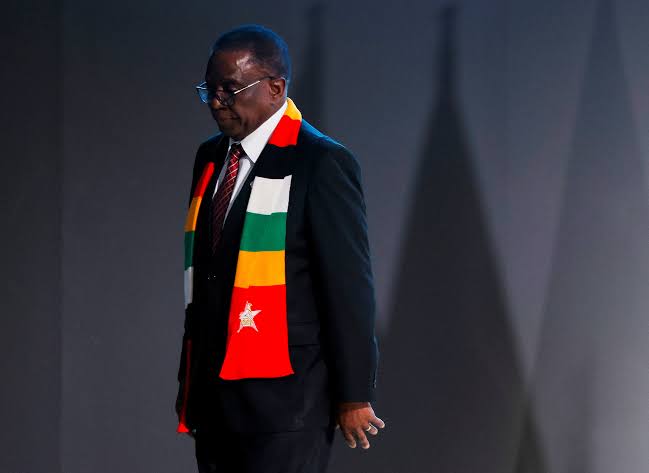
Zimbabwe’s Parliament has overwhelmingly approved a constitutional amendment bill that would extend President Emmerson Mnangagwa’s term in office by two years, delaying national elections originally scheduled for 2028 until 2030.
The bill, introduced by the Justice Minister earlier this month, received strong backing from lawmakers, with 218 members voting in favour—well above the 187 votes required for passage.
Under the proposed changes, the terms of the president, Members of Parliament, councillors, and mayors would be extended from five years to seven years. The amendment now moves to the Senate, where it is widely expected to secure approval with minimal opposition.
If enacted, the measure will allow President Mnangagwa to remain in office until 2030, extending his current tenure beyond the existing constitutional timeline.
The proposal has sparked renewed political debate and raised concerns among critics, who argue that it could weaken democratic processes and electoral accountability. Zimbabwe’s political landscape has long been marked by tensions between the ruling government and opposition groups, with allegations of harassment and detention of government critics frequently drawing international attention.
Mnangagwa assumed power in November 2017 following the military-backed removal of former President Robert Mugabe, who had ruled Zimbabwe for nearly four decades before his resignation. Mugabe passed away in 2019.
The Senate’s decision on the bill is expected in the coming weeks, potentially paving the way for one of the most significant constitutional changes in Zimbabwe’s recent political history.